

What should I do if the gear of the mixer reducer wears out? Repair and replacement standards
Gears are the core transmission components of the mixer reducer. Long term load friction, dust erosion, and improper lubrication can all lead to gear wear. Gear wear is a progressive failure. Minor wear in the early stages can be repaired and maintained, while severe wear must be replaced in a timely manner, otherwise major failures such as lagging, locking, and transmission failure may occur. Today, we will clarify the criteria and treatment plan for gear wear.1. Slight wear and tear (repairable and maintainable)
Minor wear criteria: The gear tooth surface has slight scratches, no peeling, no deformation, the equipment operates with only slight abnormal noise, no shaking, no jamming, and the speed and torque are normal. Solution: Thoroughly replace with new high-quality lubricating oil, clean up impurities inside the reducer, tighten all transmission components, reduce equipment load, regularly monitor operating status, and do not need to disassemble or replace gears.
2. Moderate wear and tear (disassembly, maintenance, and repair)
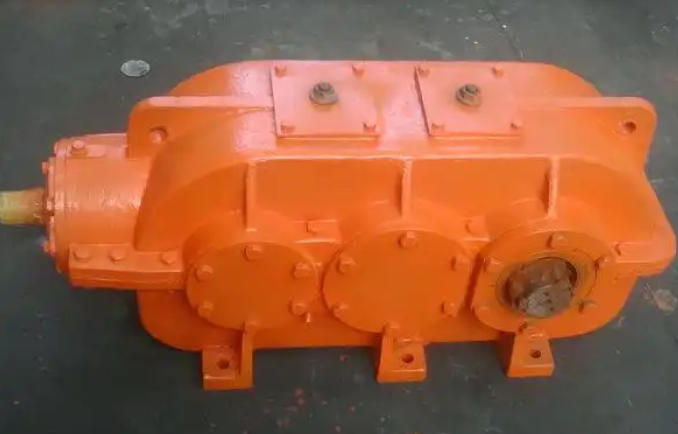
Criteria for moderate wear: obvious wear on the tooth surface, slight peeling in some areas, significant abnormal noise during equipment operation, slight jamming at low speeds, and slightly faster oil temperature rise. Solution: Disassemble the gearbox, polish and repair the burrs and worn parts on the tooth surface, adjust the gear transmission clearance, replace the aging bearings and oil seals, refill the lubricating oil, and after debugging, it can be used normally.
3. Severe wear and tear (parts must be replaced)
Judgment criteria: severe peeling, deformation, and tooth breakage of gear teeth, excessive transmission clearance, severe abnormal noise, shaking, and frequent jamming during equipment operation, and a significant decrease in load capacity. Solution: There is no repair value, and it is necessary to replace the original gear parts with brand new ones. At the same time, check the condition of the supporting bearings and shafts to avoid poor compatibility between new and old parts. After replacement, carry out debugging and maintenance.
Daily lubrication, cleaning, and load control can significantly slow down gear wear and effectively extend the overall service life of the gearbox.
Related News
