
What Are the Bearing Replacement Procedures for P3KD16‑1500‑B5‑99‑Y15 Planetary Gearbox
Bearing replacement for the P3KD16‑1500‑B5‑99‑Y15 planetary gearbox must be carried out via standardized professional disassembly and assembly workflows. Key phases cover equipment lockout‑tagout, oil draining, component disassembly & inspection, bearing renewal, lubrication reassembly and commissioning. As this is a high‑precision planetary reducer, bearing faults often come with permanent internal component damage. Complete bearing assembly replacement is highly advised to secure long‑term reliable performance.
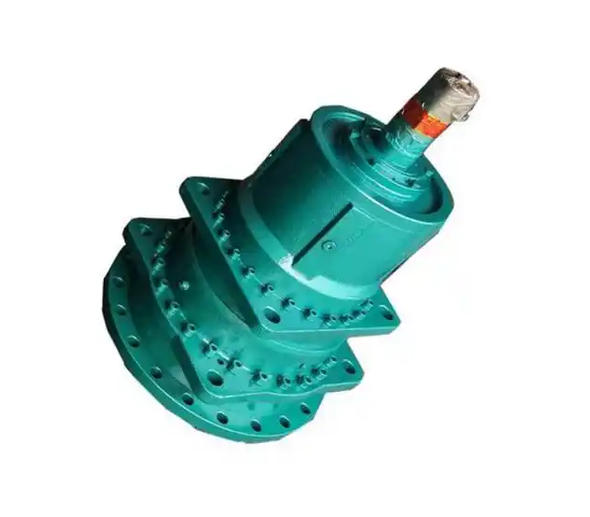
Follow these detailed bearing replacement procedures:
- Safe Shutdown and Cooling Power off the running equipment and implement lockout‑tagout procedures. Post a warning label “Equipment under maintenance, do not energize”. Allow the gearbox to cool naturally until its surface temperature drops below 40 °C. Proper cooling supports smooth lubricant drainage and protects service personnel during operation.
- Drain Waste Lubricant Loosen the oil drain plug and fully discharge contaminated or degraded lubricant inside the housing. This stops debris from contaminating gear meshing parts throughout disassembly. Collect waste oil in designated containers and maintain a tidy working area.
- Disassembly and Condition Inspection Take apart the end cover and connected fittings, then extract the internal gear assembly. Clean bearing housings and rolling elements with kerosene. Inspect bearing raceways and rolling bodies for blue‑brown discoloration, spalling or crack defects. Measure radial bearing clearance. A reading exceeding 0.05‑0.15 mm indicates bearing failure requiring replacement.
- Remove Worn Bearings Deploy a hydraulic puller acting on the bearing inner ring, apply uniform pulling force to separate the bearing from the shaft. For heavy interference fits, heat bearings to 80‑100 °C with an induction heater prior to removal. Direct acetylene flame heating is strictly forbidden.
- Mount New Bearings Fit replacement bearings matching the original part number; SEW OEM bearings or customized SKF / FAG bearings are preferred. Heat new bearings to 80‑100 °C. Use a copper drift to softly tap only the inner ring and seat the bearing firmly against the shaft shoulder with no play. Keep the working environment dust‑free to prevent foreign particle ingress during fitting.
- Lubricate and Reassemble Components Fill with OEM‑specified lubricating grease such as UNILUB L32. Never mix grease of different brands or grades. Fill the bearing cavity to 30‑50 % of its total volume. Re‑fit all disassembled parts. Fasten bolts with a torque wrench strictly per nameplate torque specifications, holding torque tolerance within ±3 %.