
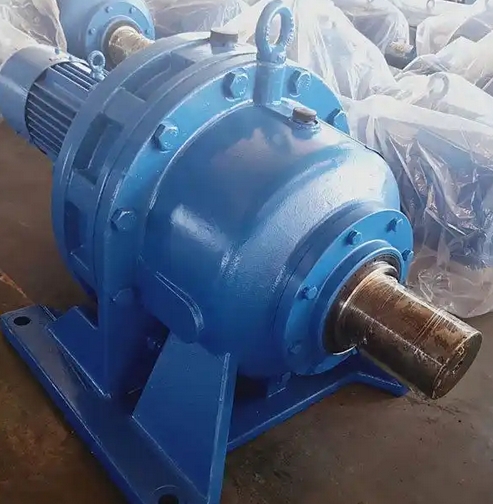
How to prevent and reduce the impact of gear wear on the performance of reducers
To prevent and reduce gear wear and ensure stable operation of the reducer, one can start from several aspects such as selection, lubrication, installation, use, and maintenance, effectively extending the service life of the equipment.1. Choose a gearbox model that matches the working conditions to avoid long-term overload, overspeed, and frequent forward and reverse rotation. Choose gears with hard tooth surfaces or appropriate precision according to the load size to improve wear resistance from the source. During assembly, ensure that the gear mesh clearance is reasonable, the shaft system is well aligned, and the coaxiality and parallelism are controlled to prevent severe local wear caused by unbalanced loads. Keep the assembly process clean and prevent foreign objects such as iron filings and dust from entering the box.
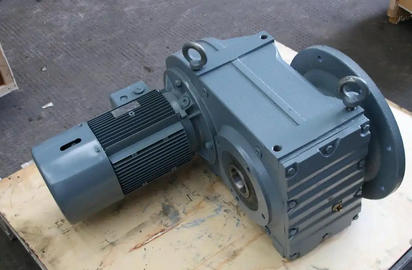
2. Proper lubrication is the most crucial measure to reduce wear and tear. Select appropriate industrial gear oil based on load, speed, and environment, and prioritize the use of extreme pressure gear oil under heavy load conditions. Maintain normal oil level. Insufficient oil level can cause dry friction on the tooth surface, while excessive oil level can easily generate heat and stir the oil. Change the oil in a timely manner during the running in period of the new machine, regularly replace the lubricating oil after normal use, and install magnetic oil drain plugs or filters to absorb metal particles and avoid abrasive wear.
3. Standardize the operation and use, avoid sudden starting, braking, and impact loads, and reduce the instantaneous high stress on the tooth surface. Keep the equipment base firm and the coupling well aligned during operation to prevent wear and tear caused by vibration and misalignment. In dusty, humid, and corrosive environments, strengthen sealing protection, install dust-proof devices and breathing caps to prevent water vapor and impurities from entering, reduce corrosion and abrasive wear.
4. Pay attention to vibration, noise, and oil temperature changes during daily inspections. Abnormal increases are usually signals of increased wear and tear. Regularly check the meshing status of gears and promptly address any issues such as pitting, scratches, and uneven wear. Minor wear can be alleviated by adjusting the clearance and improving lubrication. If the wear is severe, the gears should be replaced in a timely manner to prevent the fault from expanding.
By rational selection, precise lubrication, standardized installation, correct use, and regular maintenance, the gear wear rate can be significantly reduced, ensuring the transmission accuracy and operational reliability of the reducer, and extending the service life of the entire machine.