
Common faults and solutions of SBD50-1.5KW-60 Shenke reducer
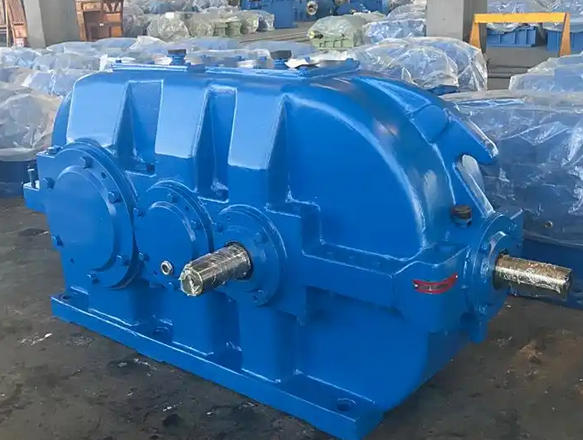
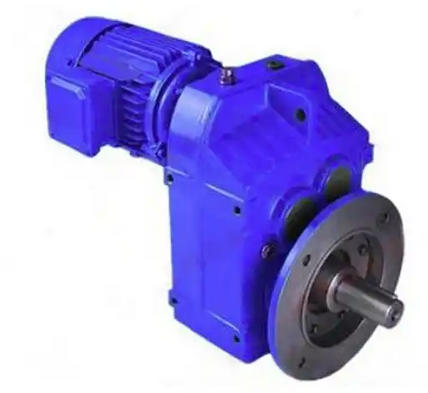
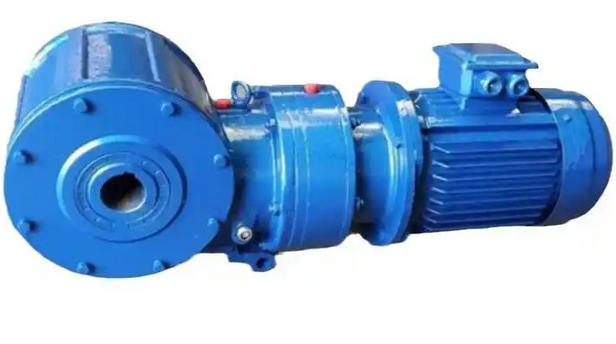
SBD50-1.5KW-60 belongs to the SBD series Shenke special reducer, which is a combination of planetary cycloid and spiral bevel gear reduction. Common faults are related to lubrication, installation, and component wear. The corresponding specific solutions are as follows:1. Leakage of oil
Common reasons: This reducer is often used in dusty working conditions such as metallurgy and cement, and the sealing components are easily worn and aged by dust; During installation, the dirt on the joint surface was not cleaned thoroughly, or loose bolts caused gaps to form; Excessive addition of lubricating oil causes an increase in internal pressure during operation, forcing the lubricating oil to leak through gaps; Blockage of the exhaust valve can also cause internal pressure imbalance and lead to oil leakage.
Solution: Replace the aging skeleton oil seal and gasket, and apply suitable oil resistant sealant on the joint surface; Use a torque wrench to tighten loose bolts to the specified torque and install anti loosening washers; Drain excess lubricating oil and add it strictly according to the oil label scale; Disassemble and clean the blockage of the exhaust valve to ensure smooth ventilation.
2. Abnormal noise during operation
Common reasons: As a specialized gearbox for Schenker, long-term low-speed operation can easily lead to wear of internal bevel teeth or planetary cycloid teeth, resulting in poor meshing; The bearings are rusted and damaged due to the condensation water generated by the alternation of cold and hot gear oil; Lubricating oil deterioration or insufficient oil quantity, causing dry friction of components; Foreign objects entering the chassis and getting stuck between gears can also produce abnormal noise.
Solution: Disassemble and inspect the gear wear. If there is peeling or pitting on the tooth surface, replace the gear with the same specification and adjust the meshing clearance; Replace corroded or damaged bearings and add sufficient lubricating grease during assembly; Thoroughly replace the deteriorated lubricating oil and clean the oil tank filter screen at the same time; Open the end cover of the box to remove foreign objects, clean and reseal.
3. The body temperature rises too high
Common reasons: Schenck stated that during continuous operation, if the lubricating oil is selected incorrectly or not replaced for a long time, the lubrication effect will fail, which will exacerbate the friction and heat generation of components; The equipment is operating at overload, exceeding the rated load corresponding to a power of 1.5KW; There is a lot of dust in the working environment, which covers the gearbox casing and hinders heat dissipation.
Solution: Replace the lubricating oil recommended by the manufacturer to shorten the oil change cycle under dust conditions; Check the feeding amount of Shenke scale to avoid overload operation, and install overload protection devices if necessary; Regularly clean the dust accumulation on the gearbox casing. If the ambient temperature is too high, a small cooling fan can be installed to assist in cooling.
4. Excessive vibration
Common reasons: The coaxiality was not calibrated during installation, and the connecting shafts between the reducer, motor, and Schenker scale were not concentric; Loose foundation bolts or suspension components; Uneven wear of internal gears and deformation of output shaft result in unbalanced rotation; Excessive bearing clearance can also cause vibration.
Solution: Use a dial gauge to calibrate the coaxiality of the coupling and control the deviation within 0.1mm; Re tighten the bolts and install anti loosening components; Disassemble and inspect the bending condition of the shaft, straighten or replace the deformed shaft, and replace gears with uneven wear; Replace bearings with excessive clearance to ensure smooth rotation.
Related News