
How to choose a dryer reducer? Beginner Little White Zero Foundation Selection Guide
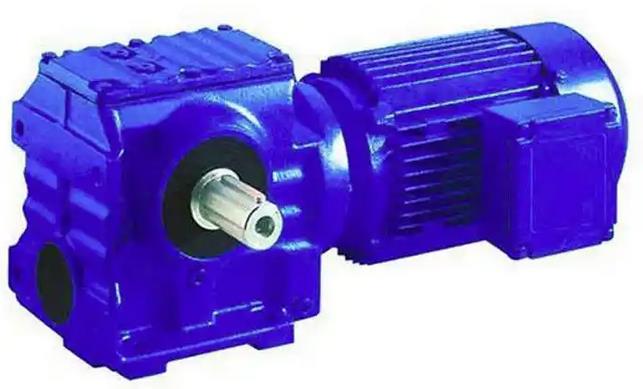
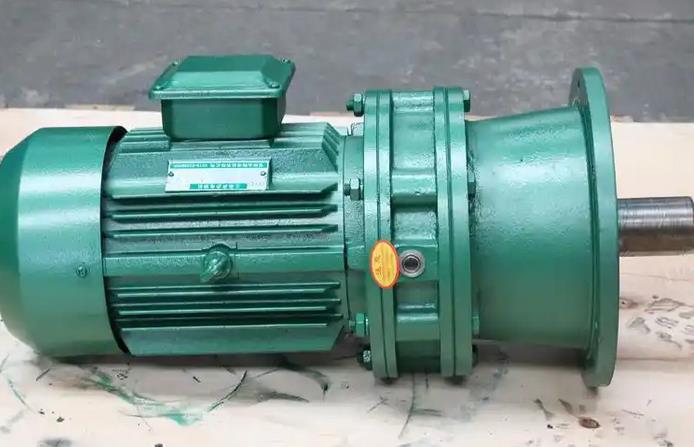
1. Firstly, check the equipment specifications and load. Small household and commercial dryers with light loads and intermittent operations can use compact and low-noise cycloidal pinwheel reducers, which are small in size, easy to install, and cost-effective, fully meeting the needs of light load drying. For large drum dryers and industrial drying towers that operate continuously under heavy loads for a long time, hard toothed helical gear reducers are preferred due to their strong load-bearing capacity, wear resistance, and ability to handle high-intensity operations.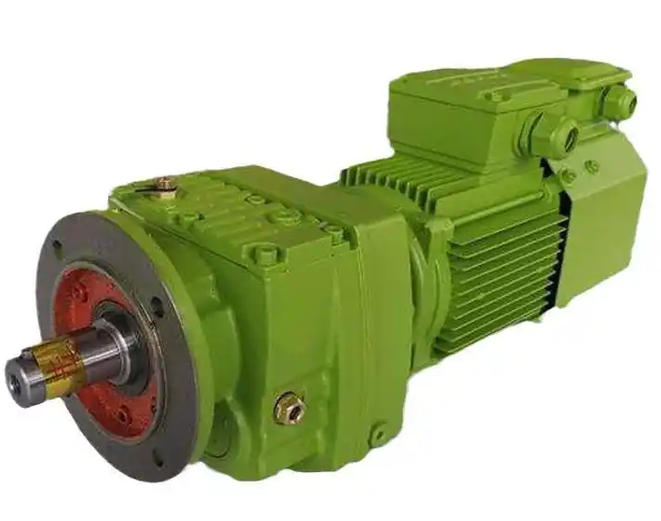
2. Secondly, look at the working environment. Due to the large amount of dust generated during grain drying and sand and gravel drying, it is necessary to use high sealing reducers to prevent dust from entering and damaging the gears inside; The drying environment for sludge and coal slurry is humid and highly corrosive. It is recommended to use specialized reducers that are rust proof and corrosion-resistant to avoid component rusting and jamming; The drying operation in the explosion-proof workshop must be equipped with a frequency conversion explosion-proof reducer integrated machine, which meets the safety production standards.
3. Finally, check if the speed matches the power. When selecting, it is necessary to accurately match the motor power, dryer drum speed, and transmission ratio. Too low power can lead to insufficient power and the drying drum cannot rotate, while too high power can cause energy waste and component overload wear. Prioritize standardized series models, such as RF helical gear series, FAF parallel shaft series, Z5 hard tooth surface series, for stronger adaptability and more convenient after-sales maintenance.