
What is the typical motor power for a ZL60 gear reducer
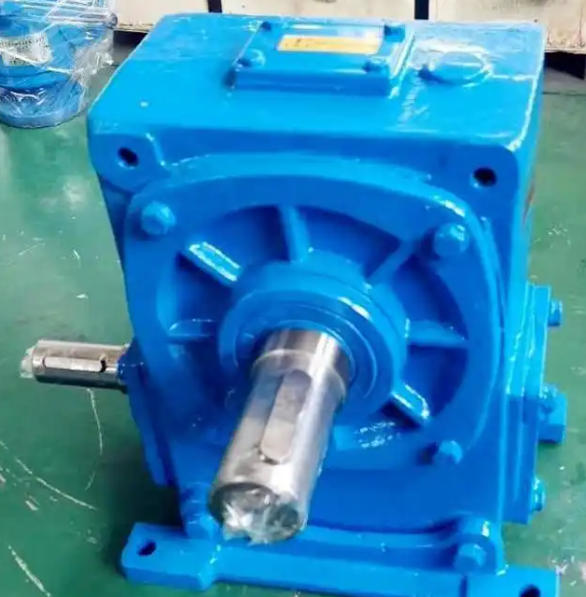
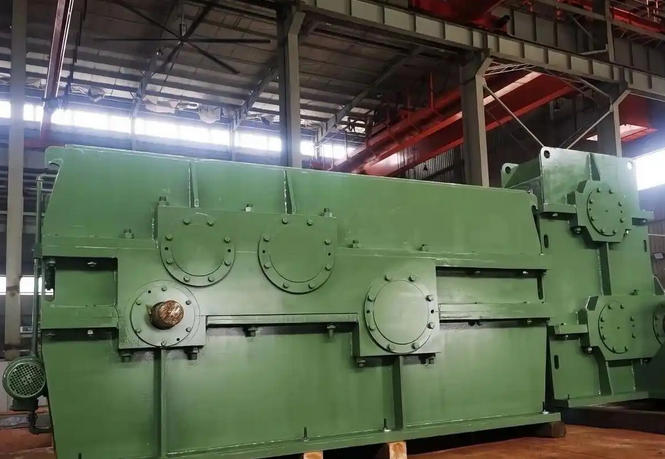
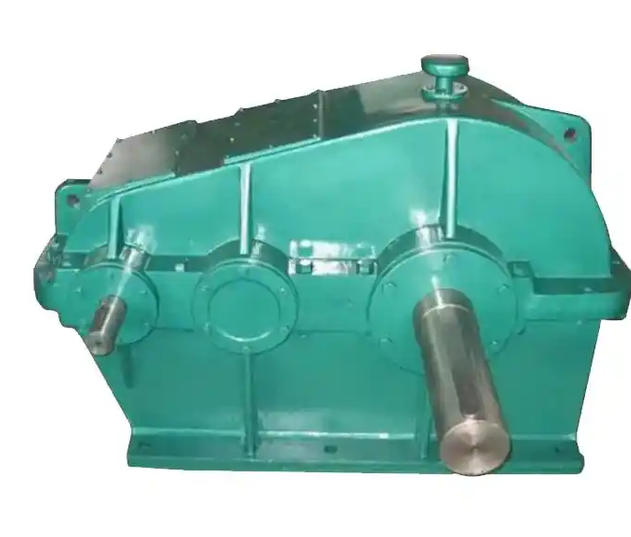
The ZL series belongs to a two-stage cylindrical gear reducer, with a maximum rated output torque of 85kN · m. To determine what power motor is suitable for ZL60 reducer, it is necessary to calculate and match the following core parameters:1. Clearly define load requirements and operating power
The final test parameter for motor power is operating power. If the power is too small, it will not move, and if it is too large, it will be a waste. The calculation formula is: P (kW)=(T (Nm) × n (rpm))/9550. Among them, T is the output torque required by the load, and n is the output speed.
2. Determine the reduction ratio
Reduction ratio=motor input speed ÷ reducer output speed. There are two types of conventional motor speeds: 1400rpm (4-pole) and 960rpm (6-pole). After calculating the theoretical reduction ratio, it is necessary to choose a similar standard reduction ratio (such as 10, 20, 30, etc.).
3. Torque verification and safety factor
The rated output torque of the reducer must be greater than the required torque of the load and multiplied by the corresponding safety factor.
Uniform load (such as fans, mixers): Safety factor taken as 1.0~1.2
General loads (such as conveyor lines and transmissions): Safety factor of 1.2~1.5
Impact load (such as stamping, hydraulic) or frequent forward and reverse rotation: safety factor is taken as 1.8~3.0
4. Calculate the motor power
After determining the reducer and reduction ratio, the calculation formula for motor power is:
P motor ≥ (T load x n motor) ÷ (9550 x i x η minus)
Among them, i is the reduction ratio, and η is the efficiency of the reducer (ZL series transmission efficiency is usually above 93%).
Summary suggestion:
In actual selection, the correct logic should be to reverse the torque required by the load to push the reduction ratio, and then match the motor power in reverse to avoid energy consumption surge caused by "big horse pulling small car", or motor overload and gear damage caused by "small horse pulling big car". We suggest that you provide specific output speed, output torque (or load weight and force arm), and operating conditions (whether there is frequent start stop or impact) in order to calculate the most suitable motor power for you.