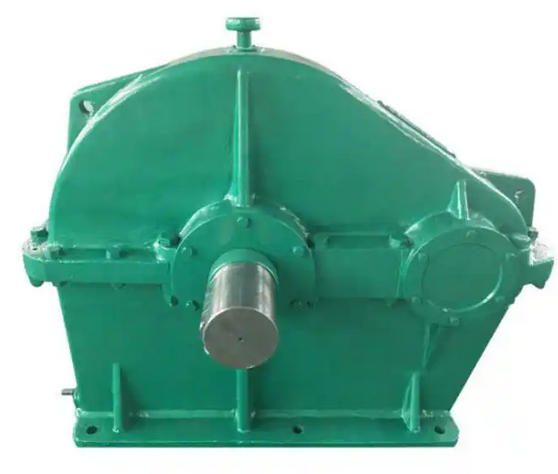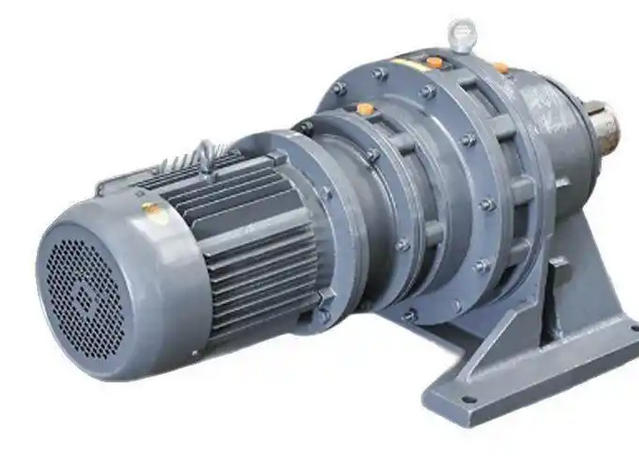


How to Detect and Correct Soft Foot During ZD15 Reducer Mounting
In
industrial applications, soft feet refers to installation
irregularities that occur when a machine's mounting points do not rest
flush on the same plane as the foundation. For the ZD15 reducer,
specific corrective actions must be taken depending on the type of soft
foot identified:
- Parallel Soft Feet (Most Common)
This
is the most frequently encountered soft foot condition during ZD15
reducer installation. It is typically caused by insufficient anchor bolt
length, misalignment between the baseplate and the mounting pad, or
missing shims beneath the anchor bolts.
Treatment: Insert an adequate number of stainless steel shims to eliminate any rocking or sway. For optimal stability, the total shim stack should not exceed four layers.
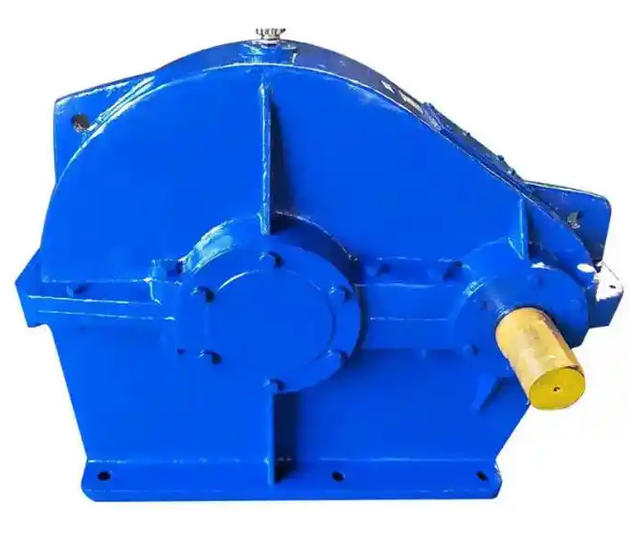
- Bent or Outward-Bent Soft Feet
This
condition arises when there is an angular deviation between the
reducer's foundation base and the baseplate. Laser alignment tools will
typically detect this as a conical air gap.
Treatment:
Machine or grind the tilted foot surface to correct the angle. Once the
angle is rectified, adjust the gaskets to ensure the foot makes full,
flush contact with the base.
- Spring Feet
This
issue is caused by debris, rust, or grease accumulating between the
reducer's anchor bolts and the baseplate, which traps the foot and leads
to inaccurate gap measurements.
Treatment:
Thoroughly clean the contact surfaces between the anchor bolts and the
base to remove all accumulated impurities. Once clean, re-inspect and
adjust the shims to resolve the issue.
- Induced Soft Feet (External Forces)
These
soft feet are generated by external mechanical forces rather than
foundation issues. Common culprits include piping strain, excessive belt
or chain tension, and the improper tightening of lifting bolts.
Related News