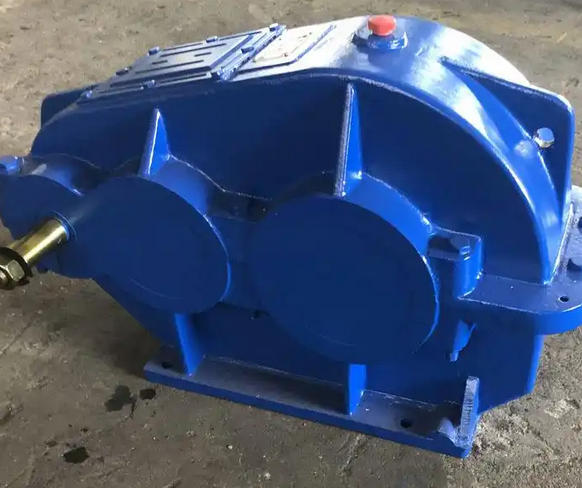

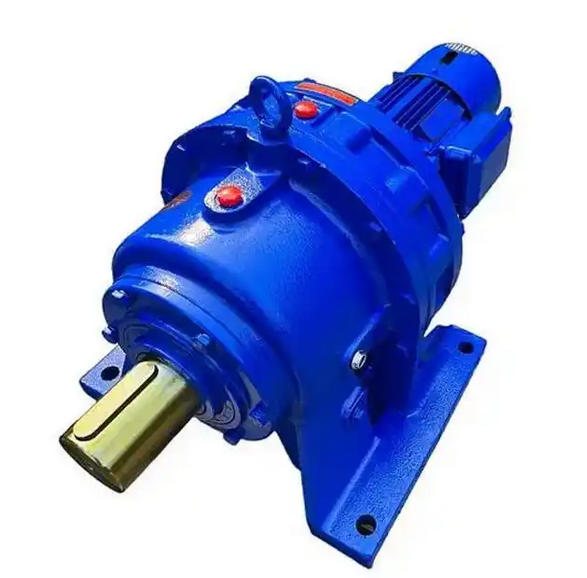
How to determine if there are scratches on the shaft surface of DFYK360-500-A1 reducer
The presence of scratches on the shaft surface of the DFYK360-500-A1 reducer is mainly determined through a combination of visual inspection and observation of the operating status. Due to the fact that this model belongs to the hard tooth surface cylindrical gear reducer series produced by Jiangsu Tailong, its shaft surface (especially the input/output shaft and key connection parts) may experience wear or scratches during long-term operation, affecting transmission accuracy and equipment life.The judgment method is as follows:
1. Visual inspection after shutdown
After the equipment is shut down and powered off, clean the oil stains on the shaft surface, and use a strong flashlight or magnifying glass to carefully observe the exposed surface of the shaft, especially the keyway area that matches with the coupling, gear, or pulley. If the following situations are found, there may be scratches or wear:
There are linear or groove like marks on the surface of the shaft, especially distributed along the circumferential direction;
Localized bright or discolored areas on the metal surface indicate increased friction;
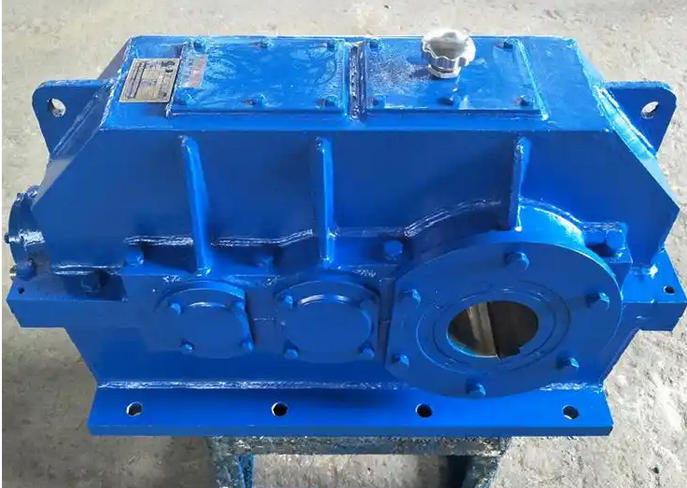
The edges of the keyway have burrs, broken edges, or irregular wear.
2. Check for abnormal operating status
If the following phenomena occur during the operation of the equipment, it may indirectly reflect that the shaft surface has been damaged:
Periodic abnormal noise or increased vibration during the transmission process;
Loose or eccentric swinging of couplings or connecting components;
Metal debris or black abrasive particles are found in the lubricating oil, indicating increased internal friction.
3. Measure the fit clearance
Measure the radial or axial clearance between the shaft and the mating parts using a feeler gauge or micrometer. If the gap significantly exceeds the design tolerance range, it may indicate that the shaft surface has undergone dimensional changes due to scratches or wear.
It is recommended to conduct regular inspections, especially under high load and continuous operation conditions, to promptly detect and address scratches and prevent more serious mechanical failures.
Related News