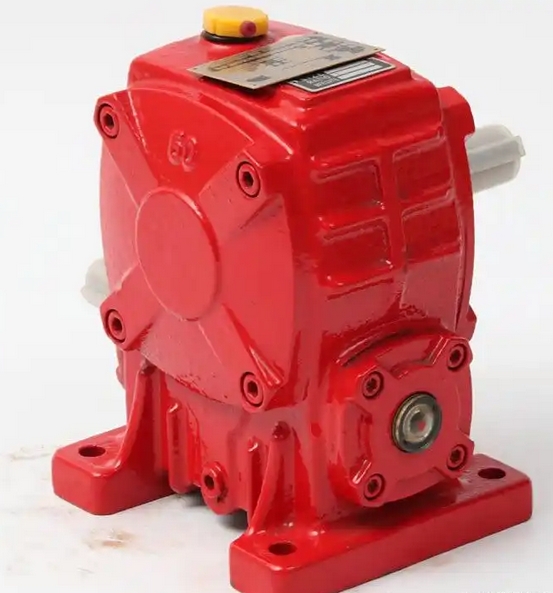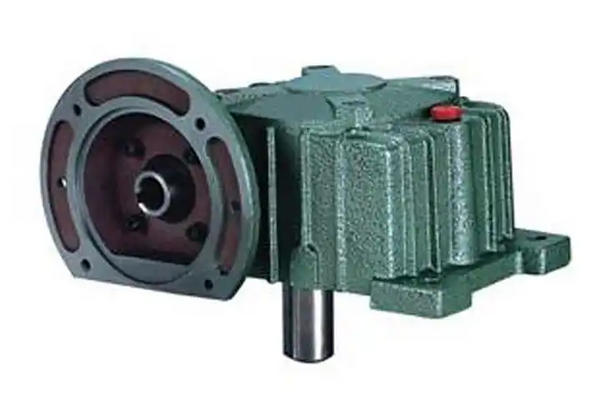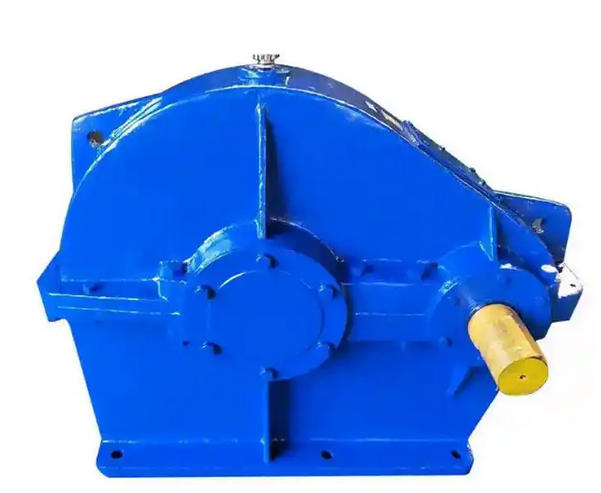


Sealing upgrade and renovation plan for loom reducer in dusty and humid environment of textile workshop
1、 Dynamic seal modification (input/output shaft end)The textile workshop has a lot of fiber dust and high humidity. Ordinary single lip nitrile rubber oil seals are prone to oil leakage due to dust intrusion, wear and tear, and water vapor aging. Therefore, a "multi-stage combination seal" structure is required:
1. Outer protection: labyrinth seal
Install a metal labyrinth seal ring on the outer side of the shaft extension end, using a tortuous narrow gap (gap controlled at 0.1-0.3mm) to block the intrusion of large particle fiber dust and water vapor, without friction and wear, suitable for dusty environments.
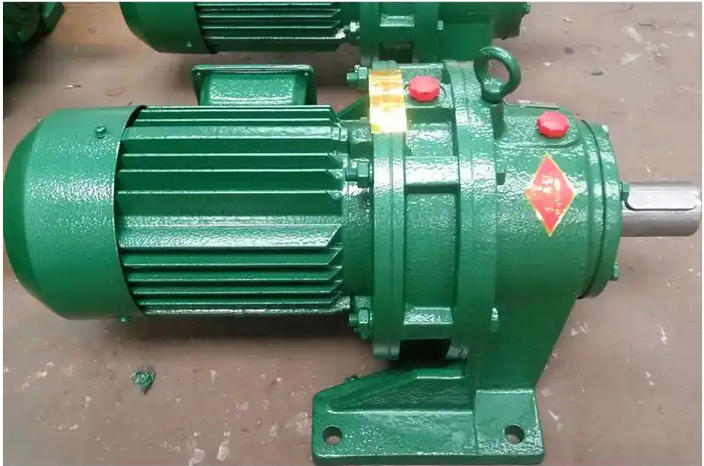
2. Core seal: Double lip skeleton oil seal
The double lip oil seal made of FKM is selected. The main lip faces the inside of the box for oil sealing, and the auxiliary lip faces the outside for dust prevention. The temperature resistance range is -20 ℃~200 ℃. The anti-aging ability is more than 50% higher than that of nitrile rubber, which is suitable for the long-term operation of the textile workshop.
3. Auxiliary oil return: oil slinger ring
Install an oil slinger on the inner shaft of the oil seal, and use centrifugal force to slinge the lubricating oil that seeps out along the shaft back to the box, avoiding direct impact of oil on the oil seal lip and reducing sealing pressure.
2、 Static sealing modification (box joint surface, end cover)
1. Sealing material upgrade
Abandon ordinary paper gaskets and replace them with oil resistant and high-temperature resistant fluororubber composite gaskets or expanded graphite gaskets. Apply silicone sealant (such as Loctite 587) evenly and thinly, with a thickness controlled at 0.2-0.3mm, to fill the micro gaps on the joint surface.
2. Joint surface repair
Clean the aging adhesive layer and oil sludge on the joint surface, fill and level the casting sand holes and shrinkage holes with metal repair materials, ensure that the flatness of the joint surface is ≤ 0.05mm, the roughness is Ra3.2-Ra6.3 μ m, and improve the sealing fit.
3、 Auxiliary system optimization
1. Ventilation device upgrade
Replace the dry type breathable plug with filtering function, regularly clean the oil sludge impurities, balance the air pressure inside and outside the box, and avoid leakage caused by squeezing the sealing parts due to the increase in internal pressure.
2. Clearing the return oil system
Expand the oil return hole to ≥ 8mm, clean the accumulated oil sludge in the oil return groove, ensure that the splashing oil quickly flows back to the oil pool, and avoid the accumulation of oil on the inner side of the joint surface, which will exacerbate leakage.
3. Surface rust prevention treatment
Spray epoxy zinc rich primer and polyurethane topcoat on the cast iron box body, and regularly apply lithium based grease to the exposed metal parts of the shaft extension end to prevent corrosion and damage to the sealing mating surface caused by humid environment.
4、 Maintenance management suggestions
1. Regular inspection: Check the sealing status and bolt tightening every 500-1000 hours, clean the ventilation cap and oil return system every 6-12 months.
2. Lubrication management: Select high-temperature resistant lubricating oil specifically designed for textile reducers, and keep the oil level near the centerline of the oil gauge to avoid pressure rise caused by excessive oil level.
3. Preventive replacement: In dusty and humid environments, the lifespan of oil seals can be shortened to 1-1.5 years. It is recommended to replace them in advance based on the overhaul cycle to avoid sudden oil leakage and shutdown.
Through the dynamic sealing combination of "maze+double lip oil seal+oil slinger", upgrading of static sealing materials, and optimization of auxiliary systems, the problems of oil leakage and dust intrusion in the gearbox in the dusty and humid environment of the textile workshop can be effectively solved, extending the service life of the equipment and reducing maintenance costs.
Related News