
How to control the oil temperature of R series gear reducers
To control the oil temperature of the R series gear reducer, it is necessary to start from three aspects: daily maintenance, operation, and external auxiliary measures. Generally speaking, after running under load for two hours, the maximum temperature of the oil tank in the gearbox should not exceed 85 ℃.The following are specific and practical temperature control methods:
1. Perform daily lubrication and maintenance
Choose appropriate lubricating oil: In high-temperature environments, it is necessary to use lubricating oil that is resistant to high temperatures and has an appropriate viscosity. Excessive or insufficient viscosity can affect lubrication effectiveness and accelerate oil aging.
Regularly check the oil level and quality: Ensure that the lubricating oil level remains within the designated range of the observation window at all times. Regularly check the color and odor of the oil. If the lubricating oil is found to be aged, deteriorated, or contaminated, it should be replaced in a timely manner.
2. Optimize operational habits
Avoid overload operation: It is strictly prohibited to let the gearbox work beyond its rated load for a long time. Overload is a common cause of rapid increase in oil temperature. In high temperature environments, it is recommended to reduce the load appropriately to alleviate the working intensity of the gearbox.
Pay attention to low-temperature start-up preheating: Although it is currently May, if starting in winter or when the ambient temperature is below 0 ℃, it is necessary to let the gearbox run without load for 3 to 5 minutes first. After the lubricating oil temperature increases and the viscosity decreases, it can be loaded and started. This can effectively reduce friction heating and protect the machine.
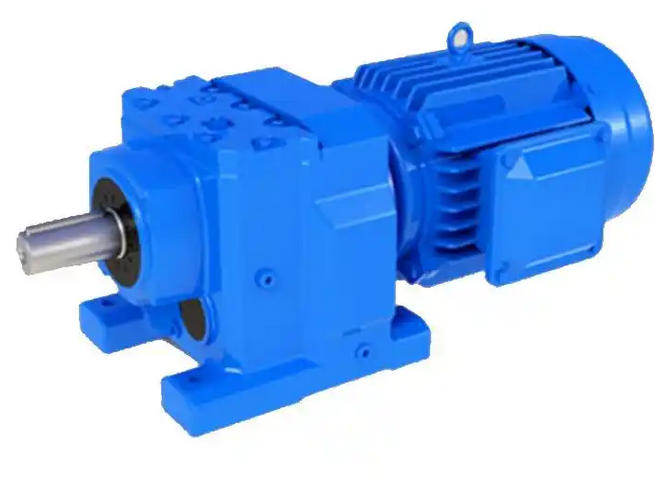
3. Improve heat dissipation and external environment
Ensure good ventilation and heat dissipation: Check if the cooling fins, fans, and other parts of the gearbox are clean and unobstructed. During installation, a ventilation gap of at least 50mm should be reserved around the gearbox housing, and it is strictly prohibited to operate in a closed and unventilated space.
Install auxiliary cooling equipment: If the ambient temperature remains high, additional fans can be installed on the gearbox for forced air cooling. In extreme working conditions, it is also possible to consider installing air-cooled or water-cooled heat exchangers to assist in cooling.
Improve working environment: Try to avoid direct sunlight on the gearbox, and if necessary, build a sunshade. If conditions permit, the environmental temperature can be reduced by improving the overall ventilation of the workshop or adopting methods such as spraying water for cooling.
Suggestion: Install temperature sensors for real-time monitoring of the gearbox. Once an abnormal increase in oil temperature is detected, the machine should be immediately shut down for inspection and troubleshooting before resuming operation to prevent permanent damage to the gears or bearings.