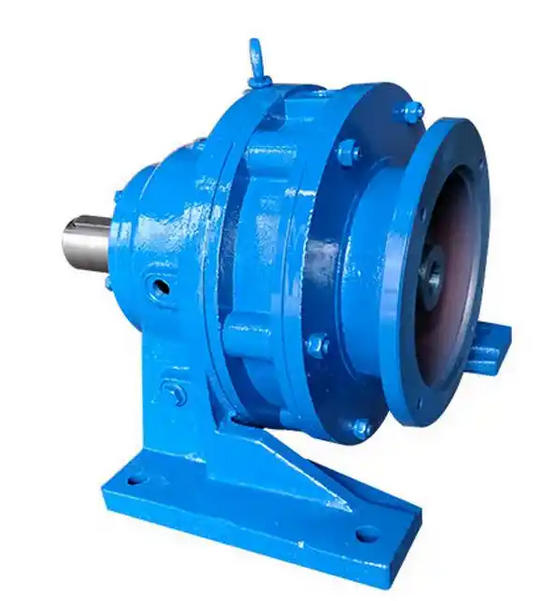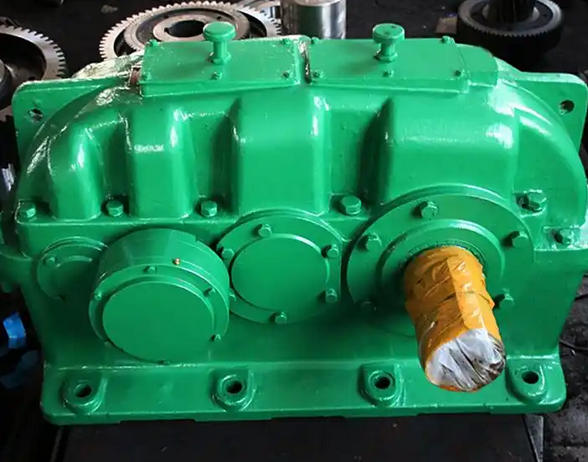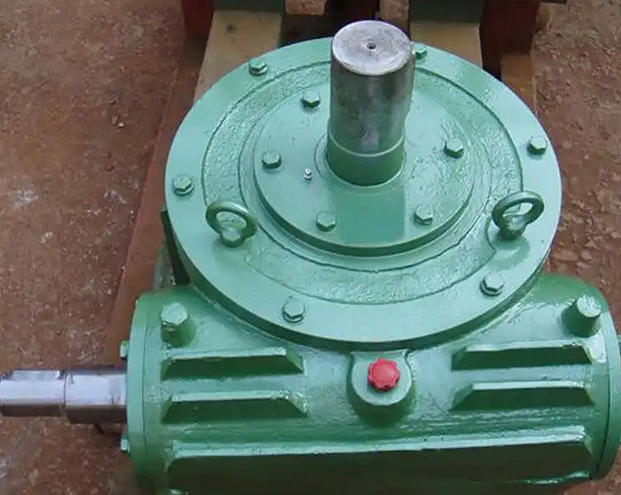

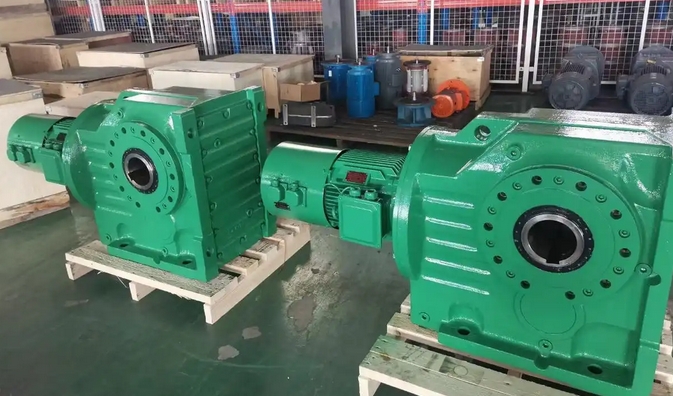
What should I do if the temperature of the conveyor reducer is too high? Quick solution for high-temperature faults
During high temperatures and heavy equipment operation in summer, conveyor reducers often experience overheating and overheating of the machine body. In mild cases, the equipment will alarm and shut down, while in severe cases, gears, bearings, and motors will be burned out, resulting in equipment scrap. Many people only shut down to cool down when encountering high temperature problems, without finding the root cause. Detailed explanation of the causes and quick solutions for high temperature overheating of reducers.Reason 1: Lubricating oil problem. Excessive or insufficient addition of lubricating oil, or deterioration of the oil product or incorrect model, are the main reasons for high temperatures. Excessive oil volume can cause heat generation during stirring during operation, while insufficient oil volume can lead to dryness, friction, and heat generation of components, causing the oil to deteriorate and lose its lubrication and heat dissipation effect. Solution: Replace with new lubricating oil and adjust the oil level to the standard scale.
Reason 2: Long term overload operation. The conveyor is overloaded for a long time, frequently starts and stops, and experiences material jamming. The reducer continues to operate at high loads, exceeding the rated load and rapidly accumulating heat, leading to high temperatures. Solution: Reduce the load on a single conveyor, avoid overloaded operations, promptly clean up blockages, and standardize equipment operation procedures.
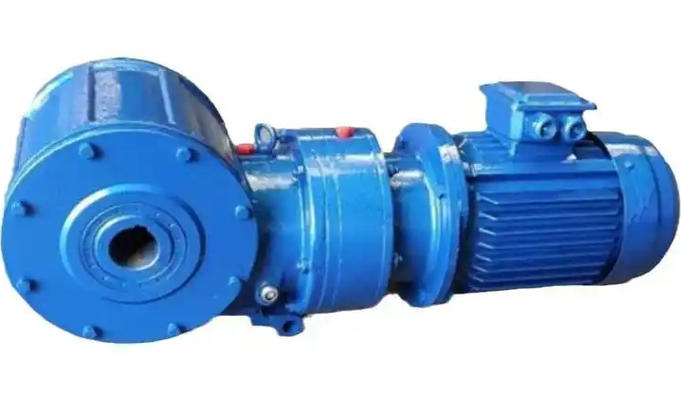
Reason 3: Poor heat dissipation. The accumulation of dust on the body is too thick, the heat dissipation holes are blocked, and the heat dissipation fan is malfunctioning, resulting in the inability to dissipate heat and continuous heating of the body. Solution: Thoroughly clean the dust and heat dissipation channels of the body, inspect the heat dissipation device, and install auxiliary heat dissipation equipment under high temperature conditions.
Reason four: Internal component wear. Gears and bearings are worn and stuck, increasing operational resistance and friction, resulting in high temperatures, accompanied by abnormal noise and vibration. Solution: Disassemble the equipment to inspect vulnerable parts, replace worn bearings and gears, and recalibrate the transmission clearance.
Summary: High temperature faults should not be ignored. If the body is abnormally hot, immediately stop the machine for troubleshooting. After cooling down, restart the machine to avoid component burning and causing greater losses.
Related News