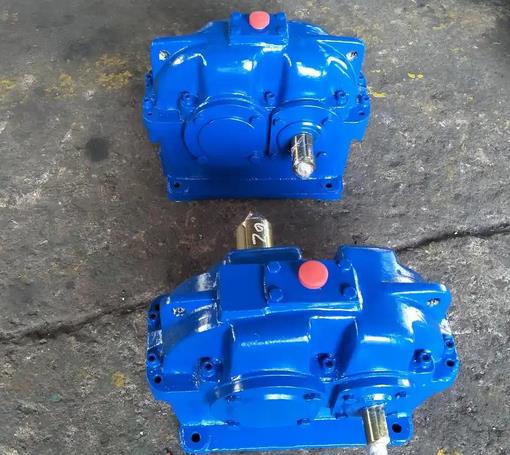

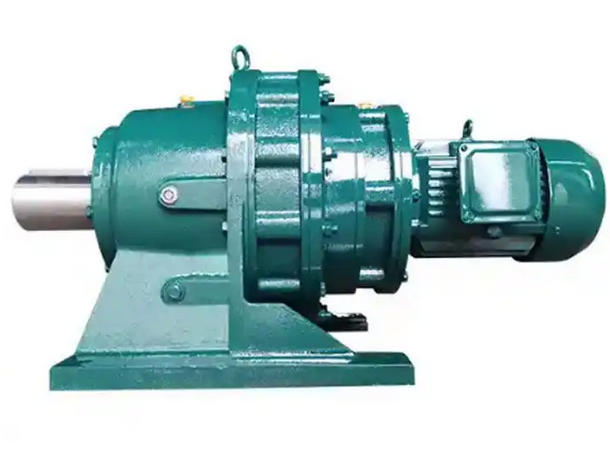
What are the specific manifestations of poor gear contact in ZLY160-20.1-2 reducer?
The specific manifestations of poor contact of gears in ZLY160-20.1-2 reducer can be divided into three categories: visual inspection, operation status, and long-term deterioration, which are convenient for technicians to quickly identify and judge:1. Abnormal appearance of spots in color detection
Tooth length direction: Spots are concentrated at one end of the tooth (near the shoulder or shaft head), or only in contact in the middle of the tooth width, with no spots at both ends; In severe cases, there may be localized point like contact on the tooth surface, with no continuous contact area.
Tooth height direction: The spot is biased towards the tooth top (top contact) or tooth root (root contact), deviating from the optimal meshing area in the middle of the tooth surface; There are contact highlights at the top and root of the teeth, while there are no contact marks in the middle of the tooth surface.
Distribution pattern: The spots are scattered in fine dots with irregular distribution; The contact area is far below the qualified standards (tooth length ≥ 60%, tooth height ≥ 45%).
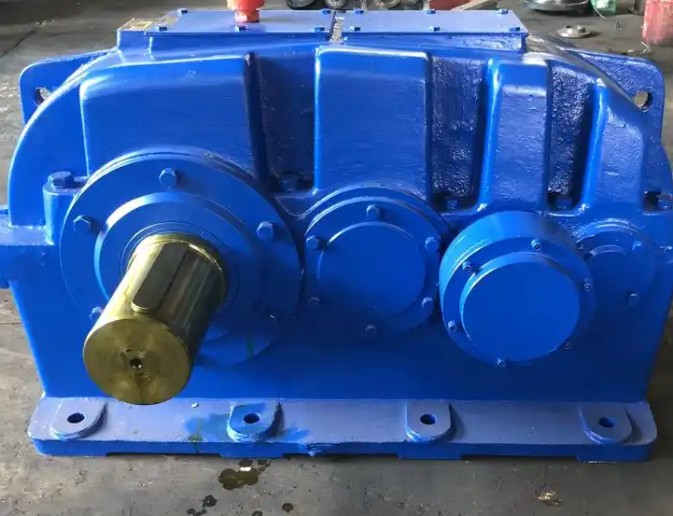
2. Abnormal performance of operating conditions during operation
Abnormal vibration noise: The gearbox emits obvious "tooth biting" sound and periodic abnormal noise during operation, with vibration amplitude increased by more than 30% compared to normal working conditions; The abnormal noise intensifies with the increase of load.
Abnormal temperature rise: The temperature rise rate in the gear meshing area and bearing parts accelerates, and after running for 1 hour, the oil temperature is more than 10 ℃ higher than normal; Local tooth surfaces have discolored due to overheating caused by friction.
Decreased load capacity: speed fluctuations, insufficient output torque, and even slight slippage occur under rated load; Unable to withstand short-term overload, abnormal noise increases sharply during overload.
3. Deterioration and damage caused by long-term use
Uneven wear on the tooth surface: severe abrasive wear and groove marks appear in areas of poor contact; The non-contact area is basically free of wear, and the tooth surface presents a clear "yin-yang surface".
Tooth surface damage: Defects such as pitting, peeling, and bonding occur at localized contact stress concentration points; The damaged area corresponds perfectly to the area of poor contact spots.
Decreased transmission accuracy: The rotational accuracy of the output shaft decreases, resulting in periodic speed fluctuations; When used for precision transmission, the positioning error of the actuator exceeds the standard.
Related News