
How to determine the fault location of the gearbox in the filling machinery
In filling machinery, the reducer is the "power center" that ensures the synchronous operation of various components. The location of the fault can usually be identified through three main dimensions: "sound recognition", "touch perception", and "operation testing":1. Analyze from the perspective of sound (listening and positioning)
Different abnormal sounds often correspond to different internal damages:
Harsh friction sound: usually indicates that there is a problem with the gear. It may be due to insufficient lubricating oil causing gear dry wear, or severe tooth surface wear becoming rough.
Periodic knocking sound: Regular "thudding" sounds often indicate bearing faults. This may be due to wear of the bearing ball, breakage of the cage, or uneven eccentric force caused by improper installation.
High frequency whistling: mostly because the lubrication system does not give awesome, for example, the wrong type of lubricating oil is used, the oil is too dirty or the oil circuit is blocked.
Sudden fracture sound: indicates that the gear may have broken teeth or severe cracks, producing high-frequency impact sound.
2. Perception from the perspective of vibration and temperature (following the vine to feel the melon)
By observing the external state of the gearbox through touch and vision, hidden dangers can also be quickly located:
Abnormal vibration: If you feel obvious abnormal vibration or numbness when touching the shell with your hand, it may indicate gear eccentricity, broken teeth, or excessive clearance between the mating surfaces (such as clearance>0.05mm, which needs to be repaired). If conditions permit the use of a vibration meter, high vigilance is required when the vibration speed exceeds 8 mm/s.
Excessive temperature: When the gearbox oil temperature exceeds 90 ℃, it will accelerate the degradation of lubricants and shorten the bearing life. This is usually caused by high/low oil level, oxidation and deterioration of lubricating oil, or improper clearance between bearings and gears leading to frictional heating.
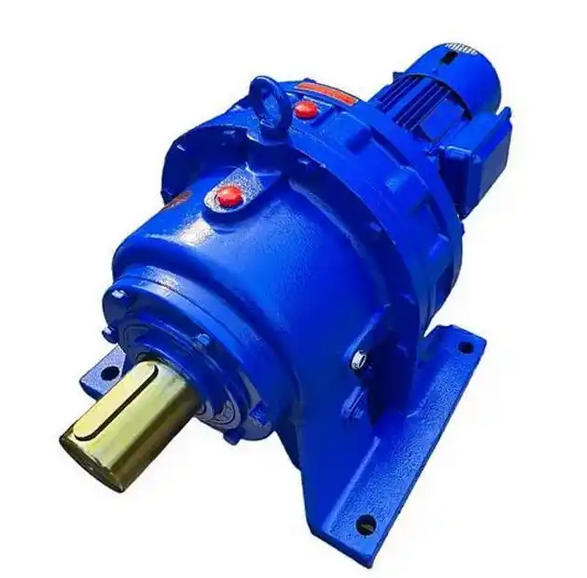
Oil leakage phenomenon: Oil leakage is the most obvious visible fault. Commonly seen in aging and damage of the output shaft oil seal, failure and cracking of the sealing glue on the box joint surface, or damage to the sealing gasket at the sight hole cover and oil drain plug.
3. Functional comparison testing method
To further confirm whether the fault lies in the gearbox itself, the following operations can be performed for verification:
Comparison between no-load and load: Disconnect the load for no-load operation. If the abnormal noise disappears, it indicates that the problem lies on the load side; If the noise persists, it can be basically determined that the internal gears and other components of the reducer are damaged.
Observation of torque fluctuation: When operating at rated load, the normal torque fluctuation should be ≤ 5% of the rated torque. If the fluctuation exceeds 15% and is accompanied by vibration, it indicates that there is a problem with the gear meshing.