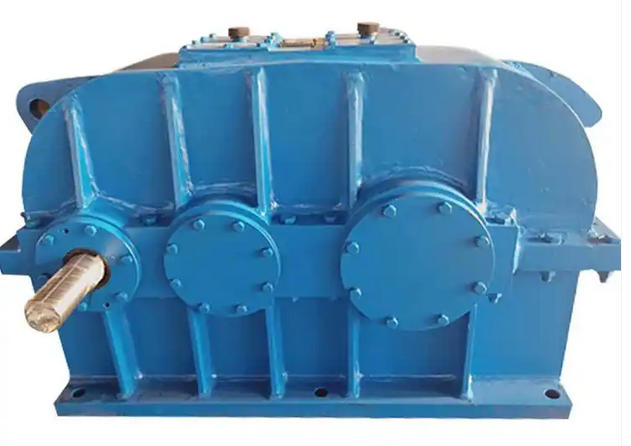

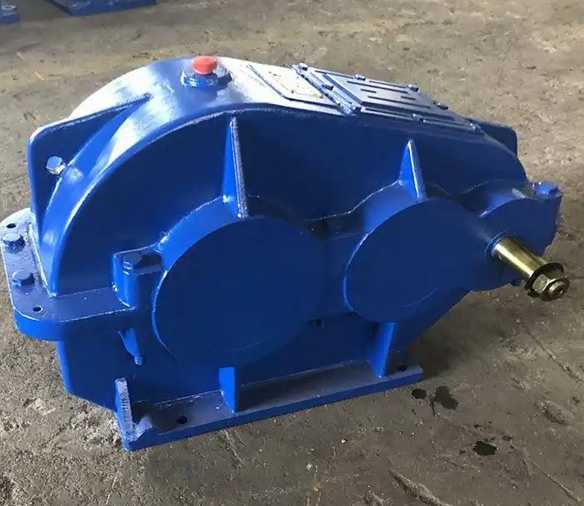
RV130-30-5.5KW Worm Gear Reducer: What Are Its Potential Risks
The RV130-40-5.5KW worm gear reducer has potential risks mainly covering transmission failure, temperature rise and lubrication issues, structural component damage, sealing and safety hazards, as well as risks caused by improper installation and maintenance. Details are described below:
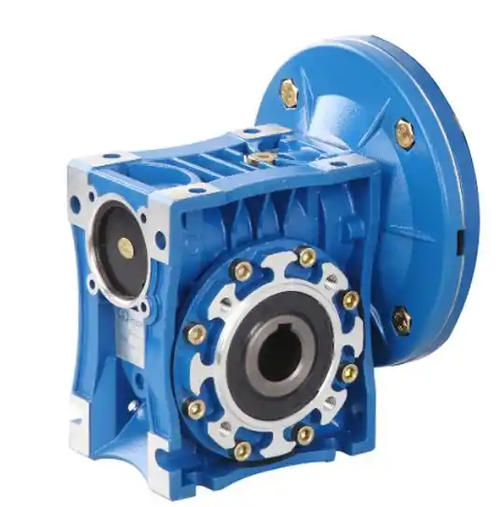
- Core transmission failure risk Worm gears are generally manufactured from tin bronze, mating with hardened worms. Extended meshing operation may trigger tooth surface adhesion, abrasion, pitting and even tooth breakage. Especially under the 5.5KW rated power heavy load condition, insufficient meshing precision or poor lubrication will speed up worm gear wear, reduce transmission efficiency, increase backlash and eventually result in transmission breakdown. Under high-speed heavy-duty working conditions or frequent start-stop cycles, impact loads may bend the worm shaft and wear the worm gear journal, destroying the geometric accuracy of the transmission pair.
- Temperature rise and lubrication-related risks Worm gear drive features high sliding friction. At 5.5KW operating power, substantial heat will be generated. Poor ventilation, improper lubricant grade or incorrect oil filling volume will cause excessive oil temperature. High temperature reduces lubricant viscosity and weakens lubrication performance, further aggravating component wear. Meanwhile, heat accelerates oil seal aging and triggers oil leakage. A sharp drop in oil temperature after shutdown may lead to oil emulsification, which causes rusting, corrosion and damage to bearings. For vertical mounting arrangements, uneven lubricant distribution commonly occurs, leading to inadequate lubrication at startup and accelerated component wear.
- Structural component damage risk Input and output bearings are vulnerable parts. Continuous heavy load, poor lubrication or coaxiality errors will induce bearing fatigue wear, increase internal clearance, generate abnormal noise and vibration, and even result in bearing seizure during operation. Long-term vibration of the reducer housing may loosen fastening bolts, compromising the fit of sealing faces and causing oil leakage. Vibration also intensifies fatigue damage of transmission parts and creates a vicious failure cycle.
- Sealing and safety risks Oil seals, gaskets and other sealing components endure long-term high temperature and vibration exposure, leading to aging and wear, and subsequent lubricant leakage. Leakage contaminates the working environment and causes internal lubrication shortage. Tooth wear and changing lubrication conditions may impair the self-locking capability of the worm drive. In lifting applications, this defect may lead to dangerous incidents including load slipping and positioning offset. The risk becomes more severe without backup braking systems. Oil emulsification may also corrode internal metal components inside the housing and shorten equipment service life.
- Risks from improper installation and maintenance Excessive coaxial misalignment between the input shaft and motor during installation creates abnormal stress on bearings, accelerates wear and may even cause shaft fracture. Non-compliant lubrication operations such as mixing different oil types or inappropriate oil quantity degrade lubrication performance. Failure to periodically replace lubricant and remove contaminants leads to lubrication failure and accelerates the deterioration of transmission components. Skipping routine inspections means early defects like gear tooth wear and rising bearing clearance cannot be detected timely, allowing minor faults to develop into severe equipment accidents.