
What operating parameters should be considered when selecting PLH series planetary gearboxes
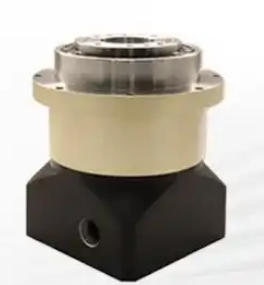
When selecting PLH series planetary gearboxes, it is necessary to systematically consider multiple operating parameters to ensure that their performance, lifespan, and reliability can meet the specific application requirements. Selection is not simply a comparison of catalogs, but a comprehensive evaluation process.The following are the core parameters that need to be considered when selecting:
1. Load and torque parameters
This is the basis for selection, which directly determines the load-bearing capacity of the gearbox.
Rated Torque: The torque that the gearbox can safely carry under continuous operation. When selecting, the calculated load torque must be less than the rated torque of the gearbox and multiplied by a certain service factor (usually 1.2-1.5, higher for heavy loads or impact loads).
Peak Torque: The instantaneous maximum torque generated by a device during startup, shutdown, or sudden load changes. The maximum allowable torque of the gearbox must be able to withstand this peak, otherwise it may cause damage to the internal gears.
Load type: It is necessary to clarify whether the load is uniform, moderate impact, or heavy impact. For example, the load on the conveyor belt is relatively stable, while the stamping machine generates severe impact loads, which puts higher demands on the strength and toughness of the reducer.
2. Speed and reduction ratio parameters
This is related to the matching of power output.
Reduction Ratio: Calculated based on the formula Reduction Ratio=Motor Input Speed/Load Required Output Speed. The selection of reduction ratio directly affects the output speed and torque, and needs to be determined according to the actual operating speed requirements of the equipment.
Input Speed: matches the rated speed of the motor used (such as a servo motor).
Output Speed: The actual operating speed required by the end effector of the device.
3. Accuracy and Backgap Parameters
For applications that require precise positioning, this parameter is crucial.
Backlash: also known as backlash, refers to the small angle at which the output can rotate when the input is fixed, measured in arcminutes. The smaller the backlash, the higher the positioning accuracy and repeatability accuracy.
High precision (≤ 3 arcmin): suitable for semiconductor equipment, industrial robots, precision machine tools, etc.
Medium to low precision (>3 arcmin): Suitable for applications such as conveyor belts and mixers that do not require high precision.