
How to Fix Internal Gear Transmission Faults in CJY Series Reducers
Addressing internal gear transmission failures in CJY series reducers requires a systematic approach that targets the specific mechanical and operational root causes. By understanding the underlying mechanisms of these faults, maintenance teams can apply targeted corrective actions to restore performance and extend equipment lifespan.
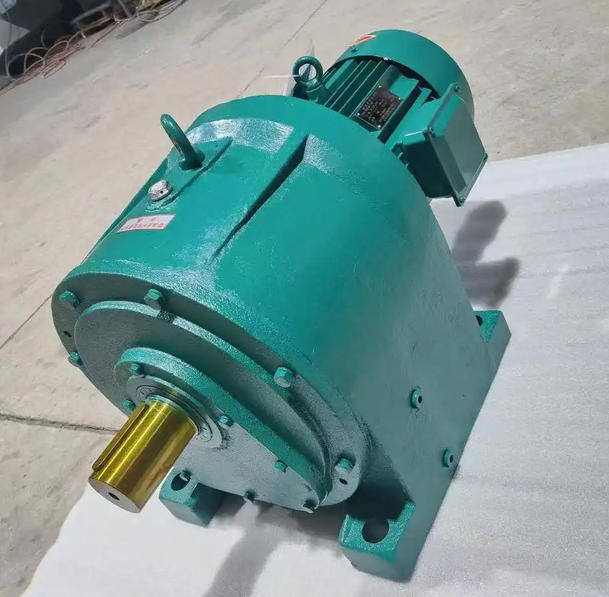
1. Resolving Gear Wear and Fatigue Fracture
Gear teeth are subjected to immense stress, making them susceptible to fatigue cracks at the tooth root due to alternating loads, or sudden fracture from severe impact and overload. To mitigate these structural failures, it is essential to optimize the gear's geometry by increasing the fillet radius at the tooth root transition, thereby reducing stress concentration. Furthermore, enhancing the rigidity of the supporting shafts and bearings helps distribute forces more evenly. Applying surface strengthening treatments, such as shot peening, can significantly improve fatigue resistance. Finally, strict quality control over gear materials and heat treatment processes is mandatory to ensure the required hardness and core toughness are achieved.
Gear teeth are subjected to immense stress, making them susceptible to fatigue cracks at the tooth root due to alternating loads, or sudden fracture from severe impact and overload. To mitigate these structural failures, it is essential to optimize the gear's geometry by increasing the fillet radius at the tooth root transition, thereby reducing stress concentration. Furthermore, enhancing the rigidity of the supporting shafts and bearings helps distribute forces more evenly. Applying surface strengthening treatments, such as shot peening, can significantly improve fatigue resistance. Finally, strict quality control over gear materials and heat treatment processes is mandatory to ensure the required hardness and core toughness are achieved.
2. Mitigating Gear Pitting and Spalling
Pitting and spalling occur when the contact fatigue strength of the gear surface is insufficient. Under repeated meshing, lubricating oil penetrates micro-cracks, creating hydraulic pressure that eventually causes metal flakes to peel off. Preventing this requires elevating both machining and assembly precision to guarantee optimal tooth contact patterns. Utilizing high-quality, clean lubricants is equally critical, as abrasive impurities can rapidly accelerate surface degradation. Additionally, rigorous inspection of the gear blanks for internal or surface defects before installation can prevent premature failure.
Pitting and spalling occur when the contact fatigue strength of the gear surface is insufficient. Under repeated meshing, lubricating oil penetrates micro-cracks, creating hydraulic pressure that eventually causes metal flakes to peel off. Preventing this requires elevating both machining and assembly precision to guarantee optimal tooth contact patterns. Utilizing high-quality, clean lubricants is equally critical, as abrasive impurities can rapidly accelerate surface degradation. Additionally, rigorous inspection of the gear blanks for internal or surface defects before installation can prevent premature failure.
3. Eliminating Abnormal Vibration and Noise
Unusual vibrations and acoustic anomalies in the transmission system typically stem from mechanical misalignment, damaged bearings, loose fasteners, or foreign debris within the meshing zone. The primary remedy involves dismantling the unit to thoroughly clean out contaminants and replacing any compromised components. Precision realignment between the motor and the reducer must be performed to correct coaxiality errors. Furthermore, a routine inspection protocol should be established to ensure all connecting bolts remain securely tightened and the assembly maintains its structural integrity.
Unusual vibrations and acoustic anomalies in the transmission system typically stem from mechanical misalignment, damaged bearings, loose fasteners, or foreign debris within the meshing zone. The primary remedy involves dismantling the unit to thoroughly clean out contaminants and replacing any compromised components. Precision realignment between the motor and the reducer must be performed to correct coaxiality errors. Furthermore, a routine inspection protocol should be established to ensure all connecting bolts remain securely tightened and the assembly maintains its structural integrity.
4. Controlling Excessive Heat Generation
Elevated operating temperatures in reducers are often symptomatic of overloading, inadequate lubrication, bearing wear, or frequent start-stop cycles. To resolve thermal issues, operators must strictly adhere to the rated load capacity and avoid prolonged overload conditions. Maintaining a proactive lubrication schedule ensures proper oil flow and heat dissipation. It is also vital to verify that bearings are installed correctly and to promptly replace any worn components that generate excess friction.
Elevated operating temperatures in reducers are often symptomatic of overloading, inadequate lubrication, bearing wear, or frequent start-stop cycles. To resolve thermal issues, operators must strictly adhere to the rated load capacity and avoid prolonged overload conditions. Maintaining a proactive lubrication schedule ensures proper oil flow and heat dissipation. It is also vital to verify that bearings are installed correctly and to promptly replace any worn components that generate excess friction.
5. Managing Lubricant Leakage
Oil leakage not only creates environmental hazards but also leads to lubrication starvation, severely impacting internal transmission. Leakage is generally caused by degraded seals, housing deformation, or excessive internal pressure due to high oil temperatures. Corrective measures include inspecting and replacing worn sealing elements and repairing or replacing any deformed housings. Additionally, implementing effective cooling strategies to manage oil temperature is crucial for maintaining seal integrity and preventing future leaks.
Oil leakage not only creates environmental hazards but also leads to lubrication starvation, severely impacting internal transmission. Leakage is generally caused by degraded seals, housing deformation, or excessive internal pressure due to high oil temperatures. Corrective measures include inspecting and replacing worn sealing elements and repairing or replacing any deformed housings. Additionally, implementing effective cooling strategies to manage oil temperature is crucial for maintaining seal integrity and preventing future leaks.