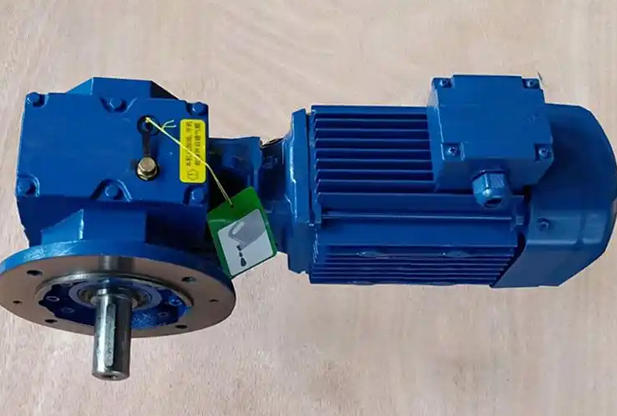

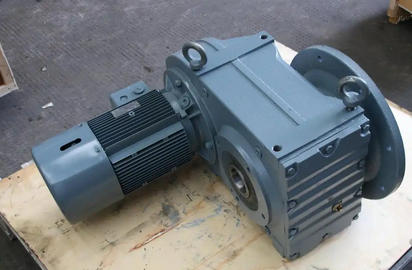
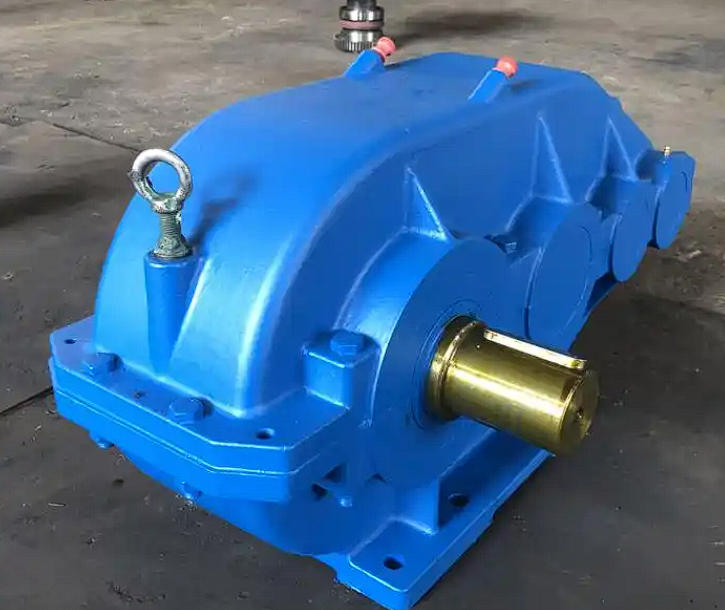
How to Reduce Vibration in the Housing of ZSC650-51.7-1 Hard-Faced Gearbox
The following is a specific vibration reduction treatment plan:1、 External foundation and installation troubleshooting (priority treatment, accounting for over 60% of vibration faults)
External connections and basic issues are the most common causes of box resonance, and the cost of troubleshooting is the lowest.
1. Foundation and foundation fastening: Check whether the foundation bolts of the reducer base and motor base are loose or loose. If there is a gap between the base and the concrete foundation, steel or cast iron pads should be used for compaction, and multi-layer rubber pads are strictly prohibited. If the foundation rigidity is insufficient or the concrete is loose, it is necessary to reinforce the foundation or add reinforcing bars.
2. Coupling alignment correction: This is the core cause of high-speed end vibration. Use a dial gauge or laser alignment gauge to check the alignment accuracy between the motor and the input shaft of the gearbox. The general standard usually requires radial misalignment ≤ 0.1mm and angular misalignment ≤ 0.05mm/m. At the same time, check whether the rubber blocks and plum blossom pads of the elastic coupling are aging and damaged. If there are wear gaps, they should be replaced in a timely manner.
3. External accessory inspection: Confirm whether the cooling fan, cover, respirator, oil gauge and other accessories are loose or deformed, to avoid high-frequency noise caused by these small parts becoming loose and stacking on the box.
2、 Optimization of lubrication system (eliminating dry friction and oil film rupture)
Poor lubrication can lead to increased gear meshing resistance, bearing jamming, and subsequently vibration.
1. Oil level and quality: Check if the oil level is between the upper and lower limits. Low oil level can lead to insufficient lubrication, while high oil level can cause high oil stirring resistance and increased oil temperature. Take a sample and observe the oil. If it turns black, emulsifies and turns white (due to water ingress), or contains metal abrasive particles, it indicates that the oil has failed and needs to be replaced immediately.
2. Oil matching: Confirm whether the manufacturer's recommended oil has been used. Medium to hard gear reducers typically use industrial gear oils with moderate viscosity (such as N220 or N320). It is strictly prohibited to mix different grades or types of oil products to avoid damaging the oil film bearing capacity.
3、 Operating conditions and load investigation (distinguishing between body faults and external disturbances)
By changing the operating state, the vibration source can be quickly located.
1. No load and load testing: Remove the load end connection and only keep the gearbox and motor for no-load trial operation.
2. If the no-load vibration is normal and the load vibration is abnormal, the fault is likely to occur at the load end (such as load jamming, loose foundation, load overload, or small selection).
3. If the no-load vibration is abnormal, it indicates that there is an internal fault in the gearbox and it needs to be disassembled and checked in the next step.
4. Variable frequency and start stop control: If the equipment adopts variable frequency drive, the torque ripple during low-frequency operation may trigger resonance in the box. You can try adjusting the carrier frequency of the frequency converter or installing a shock absorber between the motor and the reducer.
Related News