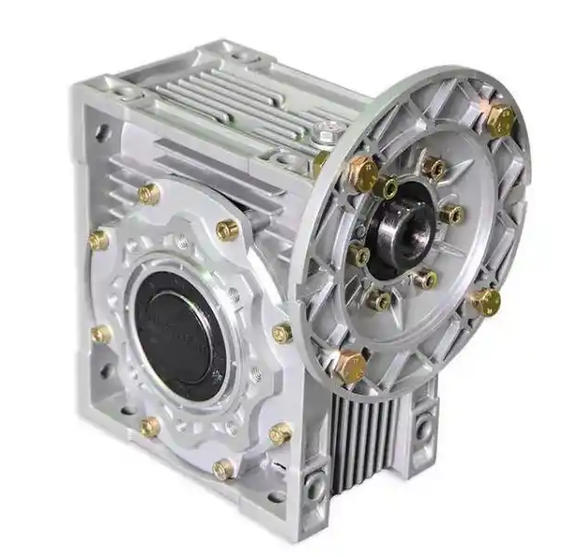

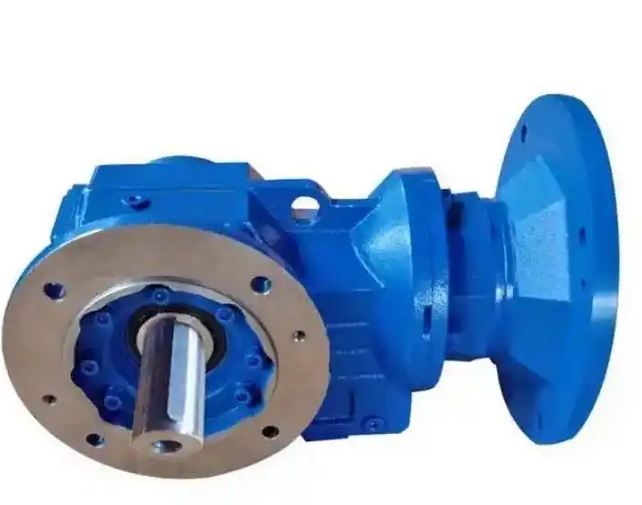
What is the frequency of checking whether the heat dissipation fins of the soft-toothed surface gear reducer are installed securely
1. Loose heat sinks are primarily caused by equipment vibration and fall under the external fastener inspection category, which includes visual inspection and actual fastening checksVisual inspection (shift/day rounds)
During inspection, visually check whether the heat sink is tilted or cracked. For operating conditions with significant vibration, gently shake the heat sink to determine if it is loose. No torque recheck is required. Mark and stop for handling if any abnormalities are found.
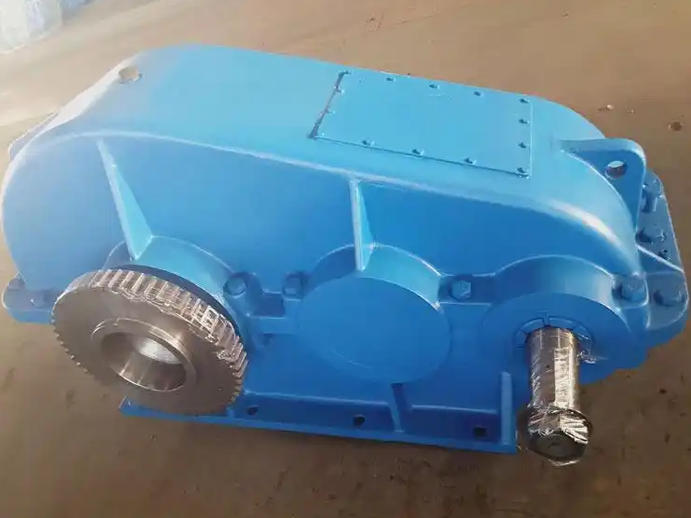
2. Formal inspection + Bolt retightening (Standard condition: once per quarter)
Power off and stop the machine, manually shake the heat sink, and recheck the torque of the heat sink fixing bolts with a torque wrench. Simultaneously inspect for missing or broken gaskets and whether the interface gap exceeds the standard (a gap >0.1mm indicates a failure in contact).
II. Working Condition Adjustment
Impact is severe, frequent start-stop cycles, and intense vibration (mining, mixing, brick machine): inspect and tighten once a month
For dust-free and stable continuous operation conditions: can be relaxed to once every six months
New Equipment Commissioning: First retighten the heat sink bolts after 500 hours of operation, then perform periodically
III. Supplementary Reminders
Heat sink cleaning and maintenance: Once a month, or biweekly in dusty or harsh environments; also inspect for secure fastening during cleaning.
Loose heat sinks reduce thermal conductivity. If the temperature difference between the housing and the heat sink exceeds 15°C during operation, the machine should be shut down for inspection of the contact and fastening conditions.
During the annual overhaul, all heat sink bolts should be uniformly retightened, and the deformation and cracking of the fins should be inspected.
Related News