
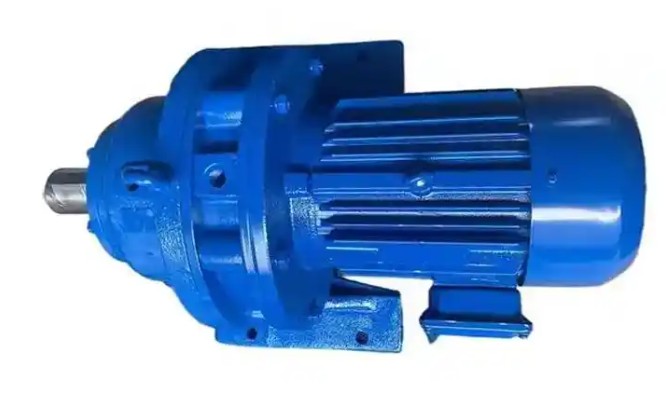
What is the difference between the output shaft of the BWY18-11-4KW cycloidal pinwheel reducer and the output shaft of other types of reducers?
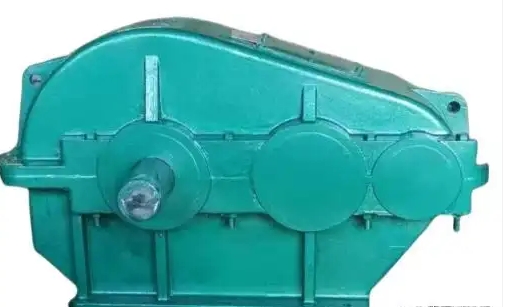
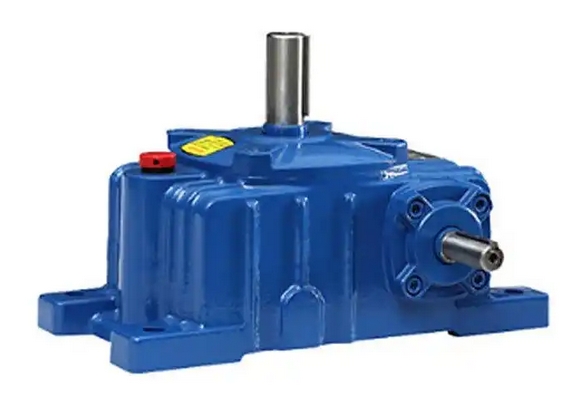
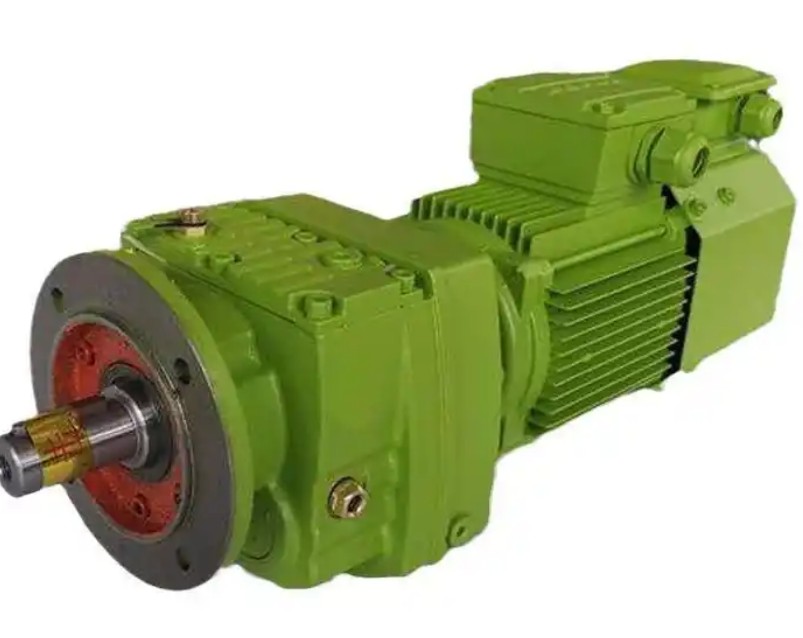
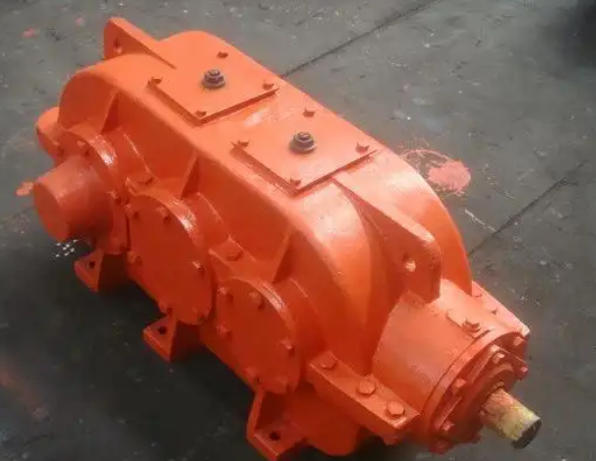
The output shaft of BWY18-11-4KW cycloidal pinwheel reducer is a pin type force transmission special structure, which is adapted to the multi pin equal load and planetary meshing characteristics of cycloidal transmission. There are essential differences between the output shaft of gear reducer and worm gear reducer in terms of structural force transmission, material technology, size design, load adaptation, installation and maintenance, as follows:1. Difference in structure and force transmission method: The BWY18-11-4KW output shaft is a solid stepped shaft with a circular uniformly distributed pin hole group, without a tooth shaped structure. The input end is hinged with a pin shaft and a cycloidal wheel, which transmits torque in the form of surface contact multi pin synchronous force transmission. It is suitable for the compound motion of cycloidal wheel revolution and self rotation, and is a coaxial floating assembly with small radial/axial compensation clearance, which can absorb assembly errors and thermal expansion and contraction; The output shaft of the gear reducer is a solid/hollow stepped shaft+end teeth/circumferential tooth profile, which transmits force through linear contact tooth surface meshing. Single tooth/multi tooth bearing torque is prone to uneven load, and it is a rigid fixed assembly with extremely high requirements for coaxiality and parallelism, without compensation clearance; The output shaft of the worm gear reducer is mainly a hollow shaft, and the worm gear is fitted on the shaft body. The force is first transmitted to the worm gear through the spatial surface meshing of the worm gear, and then the torque is transmitted to the shaft body through the contact of the hub keyway surface. It is an interference fit rigid assembly, and only a small amount of compensation is achieved by the worm gear meshing clearance. The output shaft has no independent compensation ability.
2. Difference in Material and Heat Treatment Process: The BWY18-11-4KW output shaft is mainly made of 40Cr alloy structural steel, and the high-end option is 42CrMo. After overall quenching and tempering (HB240-280) and local high-frequency quenching (HRC48-52) of the pin hole/journal, the focus is on strengthening the anti wear and extrusion ability of the pin hole wall and the anti fatigue performance of the bearing journal. The machining core is to ensure the positional accuracy, coaxiality, and wall roughness of the pin hole; The output shaft of gear reducers is commonly made of 42CrMo/20CrMnTi, while the ordinary version is made of 40Cr/45 # steel with higher material requirements. It has undergone overall quenching and tempering, tooth surface carburizing and quenching/nitriding treatment (HRC58-62), with a focus on strengthening the hardness and wear resistance of the tooth surface. The tooth root is treated with rounded corners to resist fatigue, and the machining core is to ensure the accuracy of the tooth profile and the roughness of the tooth surface; The main output shaft of the worm gear reducer is made of 45 # steel, and 40Cr can be selected for medium load conditions. It is only subjected to overall quenching and tempering (HB220-250)+keyway/journal chamfering stress relief treatment, without the need for high-frequency quenching, only ensuring the overall strength of the shaft body and the anti extrusion ability of the keyway. The machining core is the cylindricity of the worm gear sleeve section and the symmetry of the keyway.
Related News