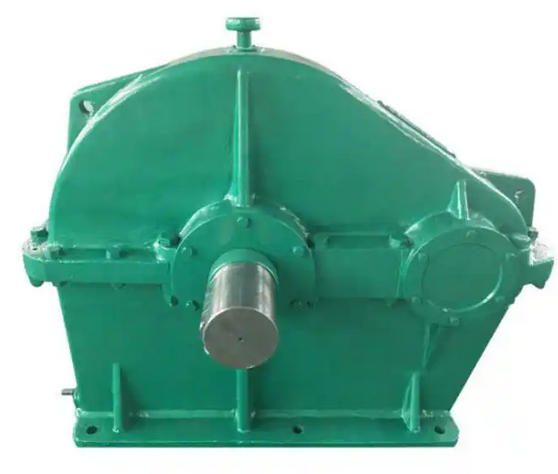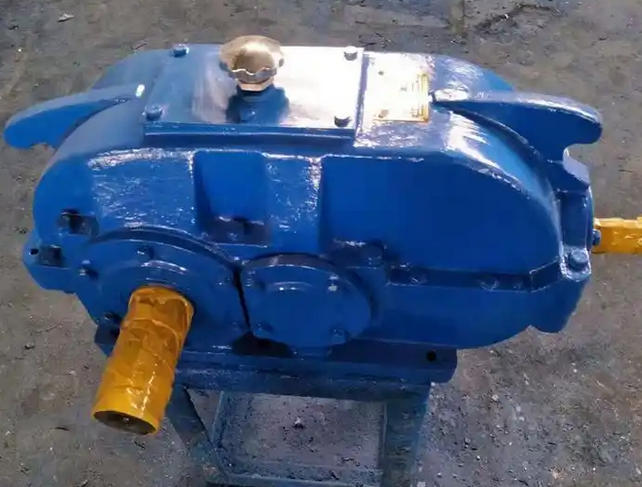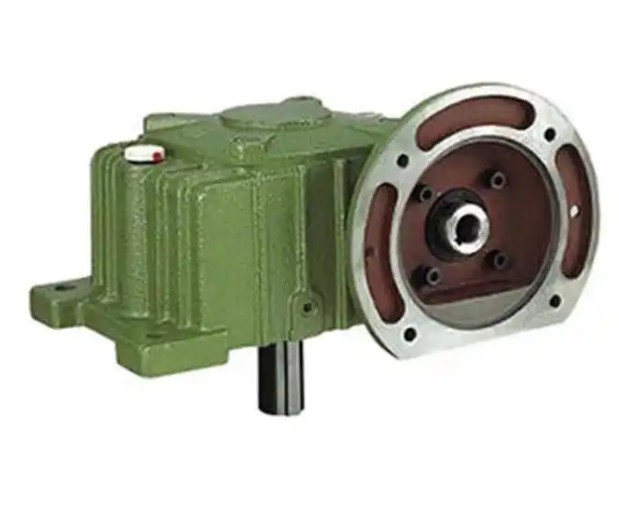

Selection of shock resistant reducers for elevators, identify these 3 hard indicators, and avoid 90% of detours
The hoist frequently starts, stops, and changes direction during operation, and is often accompanied by sudden situations such as material blockage, which belongs to typical severe impact load conditions. For such working conditions, the selection of shock resistant reducers for elevators should focus on the following three hard indicators1、 Peak torque and impact resistance margin
In the lifting and hoisting industry, instantaneous overload is the core pain point that causes the output shaft of the reducer to break or the gear to be scrapped. When selecting, the peak torque of the reducer must reach more than 2.5 times the rated value to cope with the instantaneous impact caused by sudden shaking or blockage of materials. Meanwhile, in the classification of load types, the hoist belongs to severe impact loads (C-type loads), and its operating coefficient (f.s) must meet the strict standard of fa ≤ 10.
2、 Gear material hardness and heat treatment process
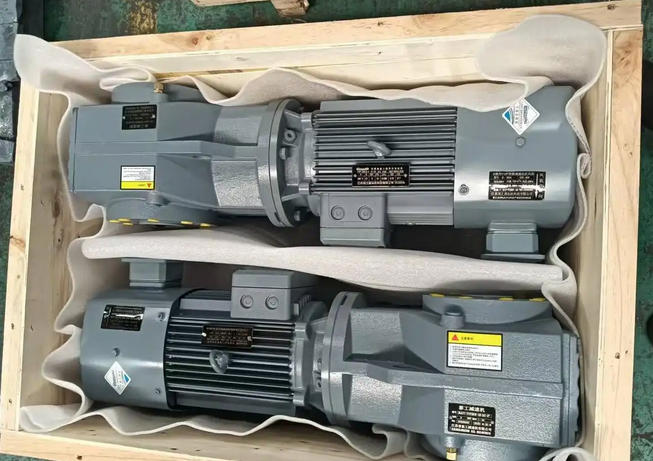
Gears are the core components that withstand impact, and their material strength directly determines the impact resistance of the gearbox. Hardened gears that have undergone deep carburizing and quenching (such as 18CrNiMo7-6 or 20CrMnTi carburizing steel) must be selected to ensure that the tooth surface hardness meets the high standard of HRC58-62. This material, which combines high hardness and toughness, can increase the impact resistance of gears by more than 40% and significantly reduce the risk of tooth breakage.
3、 Buffer and shock absorption design and structural reinforcement
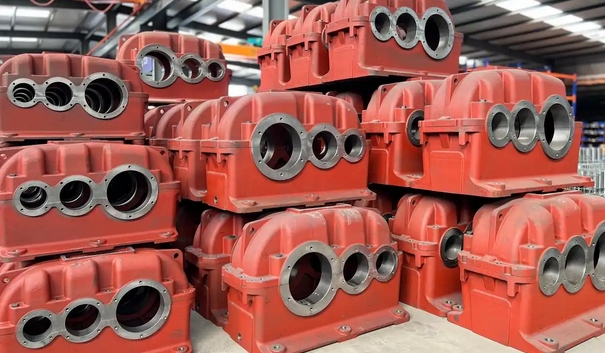
In addition to the material itself, the internal structure of the gearbox needs to have the ability to actively absorb and disperse impact energy. On the one hand, hydraulic buffer planetary carriers or elastic components such as rubber shock absorbers can be used, which can absorb instantaneous impacts exceeding 300% of the rated torque, effectively compensate for manufacturing assembly errors, and buffer vibrations generated by rapid motion. On the other hand, the casing should be made of high-strength materials (such as QT600-3 ductile iron) and undergo topology optimization design to increase torsional stiffness by more than 30%, ensuring that the shell does not deform under severe impact.
Related News