
Reason and emergency response plan for overload fault of rotary kiln reducer
1、 Common causes of overload faults1. Abnormal material load: Excessive accumulation of materials in the kiln body, material clumping and jamming, resulting in a sudden increase in kiln body operating resistance, exceeding the rated load capacity of the reducer; 2. Equipment jamming fault: Pulling of the supporting wheel, deviation of the wheel belt, and blockage caused by internal debris, which increases the operating resistance of the equipment and leads to overload; 3. Improper parameter settings: unreasonable settings of speed parameters and feeding parameters, rapid start stop of equipment, sudden increase in load; 4. Small selection: Insufficient torque and power in the initial selection, long-term operation at critical load, and easy triggering of overload.
2、 Emergency response steps for sudden overload
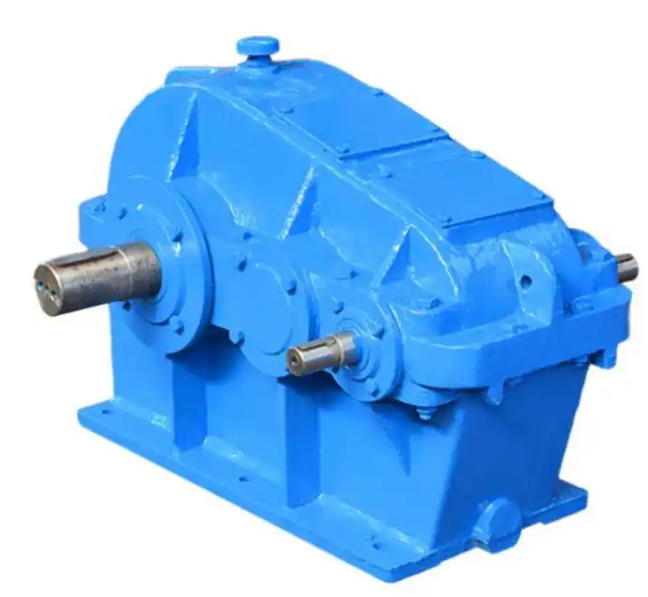
1. Immediately shut down and cut off power, prohibit forced startup and operation, and avoid overloading and continuous damage to core components; 2. Check the internal material situation of the kiln, clean up excess materials, clumped debris, and remove equipment blockages; 3. Check whether the supporting wheels, belts, and transmission components are stuck or offset, and calibrate the operating status of the equipment; 4. Check whether the reducer and motor have wear, high temperature, or damage issues. After troubleshooting, conduct a no-load test run; 5. After the trial operation is normal, restart the equipment at low speed and low load, gradually restore normal production, and prohibit direct full load operation.
3、 Long term prevention methods
Standardize the feeding rhythm to avoid sudden accumulation, clumping, and jamming of materials; Regular maintenance of supporting transmission components to eliminate potential equipment jamming hazards; Reasonably set operating parameters, start and stop smoothly, and run at a constant speed; Select and reserve sufficient torque margin to avoid small load equipment carrying large operating conditions.