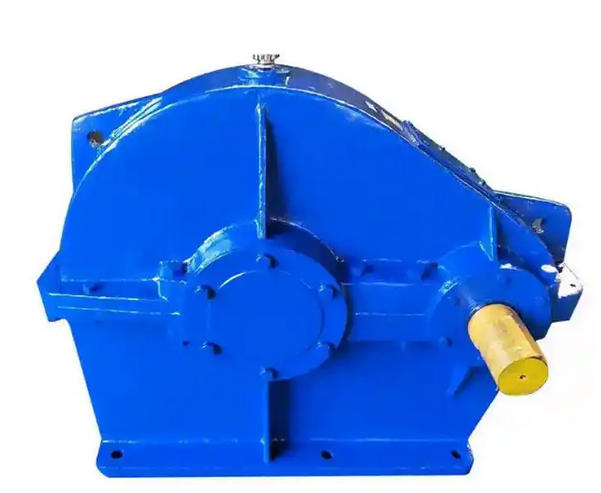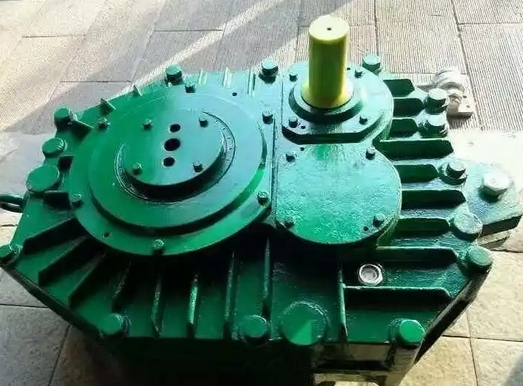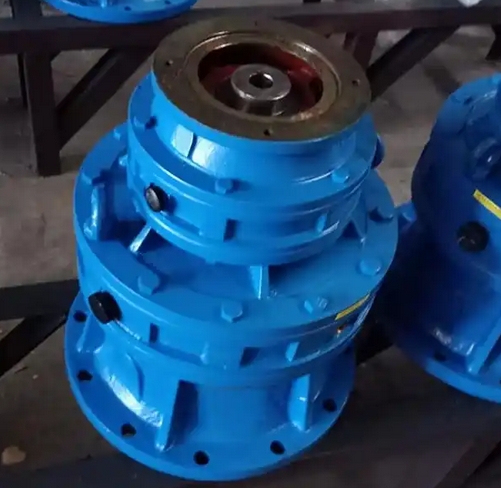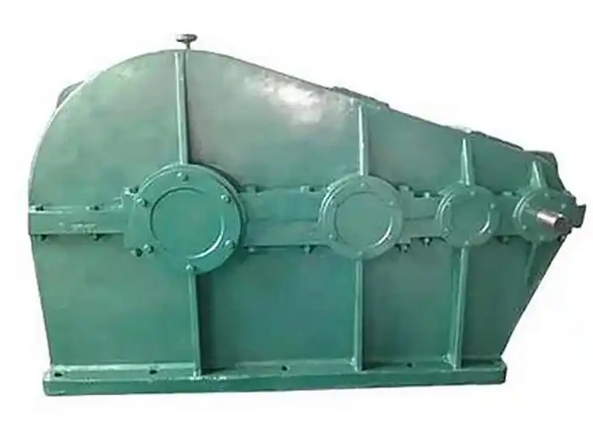

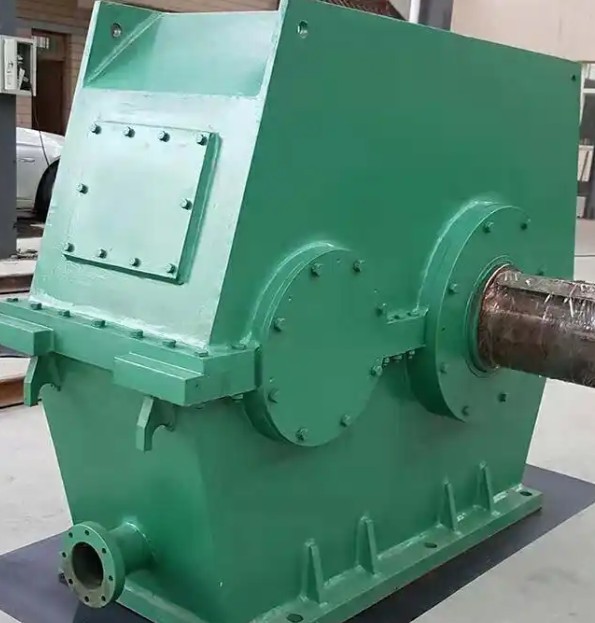
Reasons for High-Temperature Heating in Ball Pressing Machine Gearboxes and Cooling Techniques
1. The main causes of high temperature and heat generationLong-term overloading operation: When the pelletizer operates under heavy load conditions, if the actual load exceeds the rated power of the reducer, it will cause excessive wear of internal components and generate a large amount of heat.
Lubrication system malfunction: Insufficient lubricant, oil degradation (e.g., darkening, turbidity), or improper selection can weaken the lubrication effect of gears and bearings, leading to a sharp increase in frictional heat; conversely, excessive oil volume increases churning losses, which also causes temperature rise.
Assembly and Component Wear: Improper gear mesh clearance in the reducer, excessive bearing preload, or wear and damage to the bearings themselves can all lead to increased operational resistance and generate additional frictional heat.
Limited heat dissipation conditions: Excessive ambient temperature, poor ventilation, or dust clogging the heat sinks on the reducer's surface can severely hinder heat dissipation.
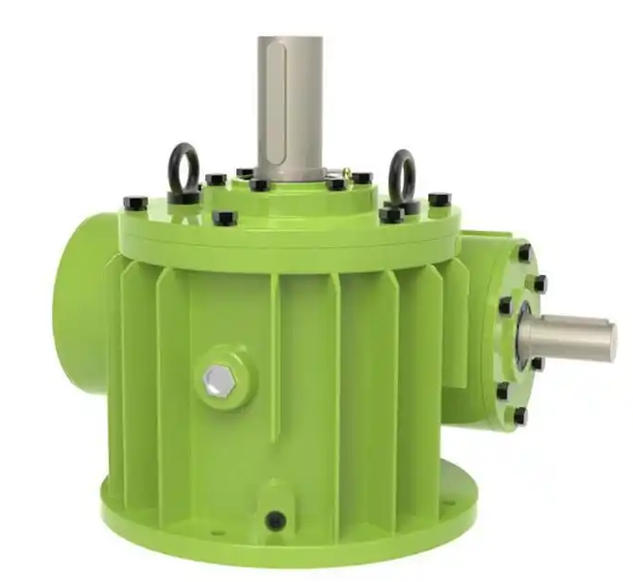
II. Effective Cooling Techniques and Treatment Methods
1. Optimize lubrication management
Inspection and Oil Replacement: Regularly check the oil level to ensure it remains at the midpoint of the sight glass or within the specified range. If oil degradation or metal contamination is detected, completely drain the old oil and replace it with new lubricant that meets the standards (such as high-viscosity extreme-pressure gear oil).
Precise Oil Selection: Strictly adhere to the manufacturer's manual to choose the appropriate lubricating oil, avoiding the use of low-viscosity or non-specialized oil products.
2. Enhance heat dissipation measures
Cleaning and Ventilation: Regularly remove dust and debris from the gearbox housing and heat dissipation fins, ensuring sufficient heat dissipation space (recommended ≥50cm) around the equipment, and maintain good environmental ventilation.
Install a cooling device: In high ambient temperatures or under heavy load conditions, a cross-flow fan can be mounted on the reducer housing for forced air cooling. If conditions permit, a water-cooling circulation system (ensuring the inlet water temperature is ≤30°C) can be introduced for efficient cooling.
3. Adjust the load and operating status
Control the feed rate: Ensure the briquetting machine receives a constant and uniform supply of material to prevent overloading the main unit due to excessive feed.
Rational scheduling: Avoid prolonged continuous operation of equipment under overload conditions whenever possible. Adjust the operating speed via frequency converters if necessary to reduce the load.
Related News