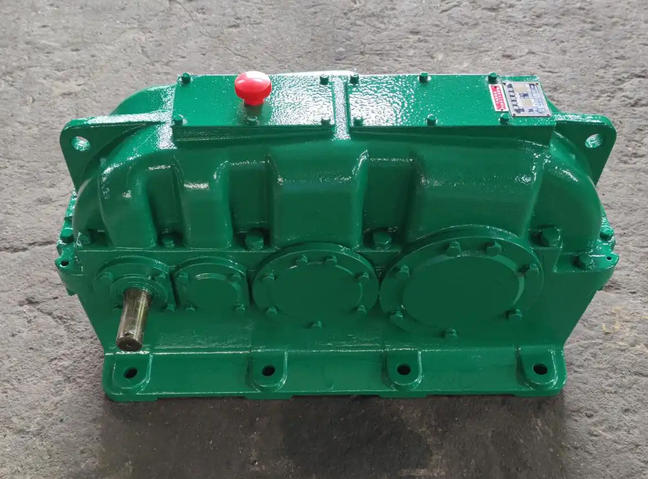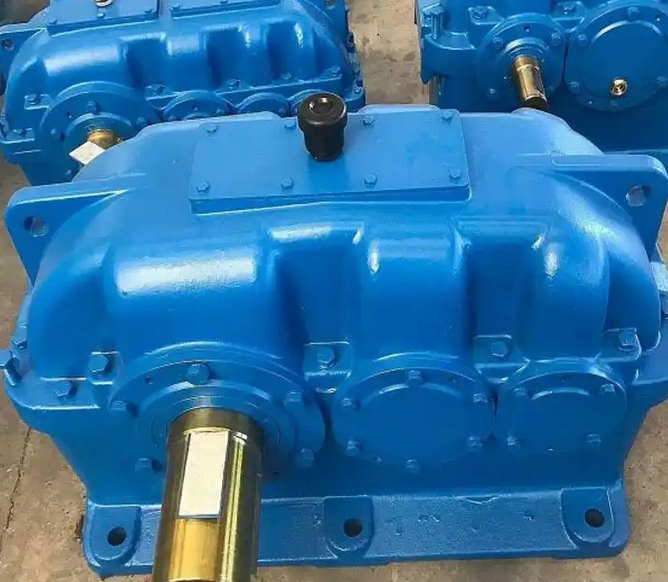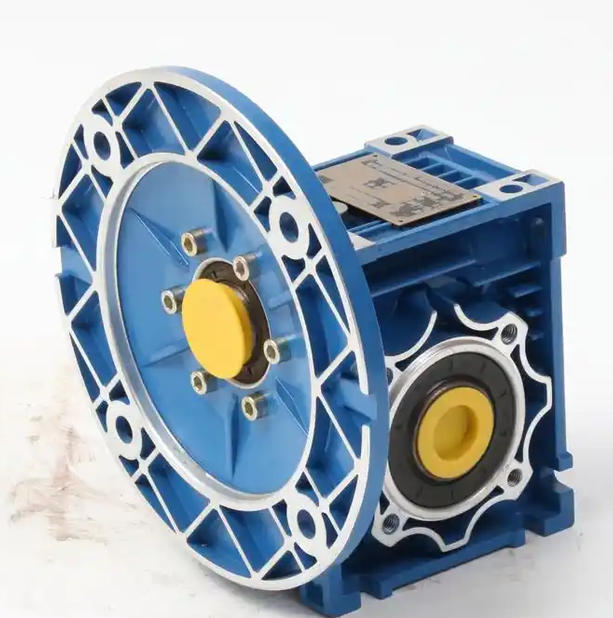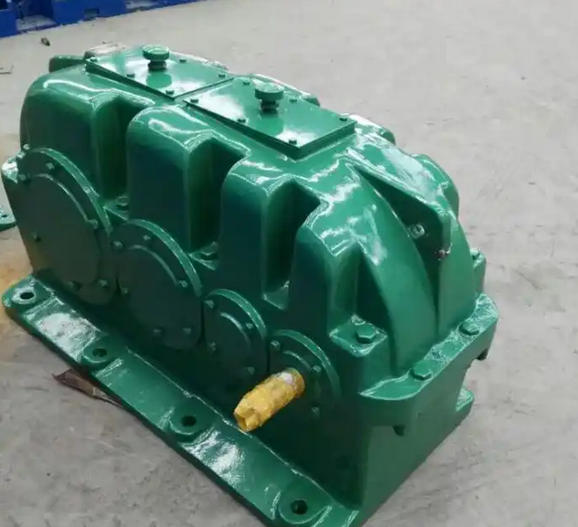

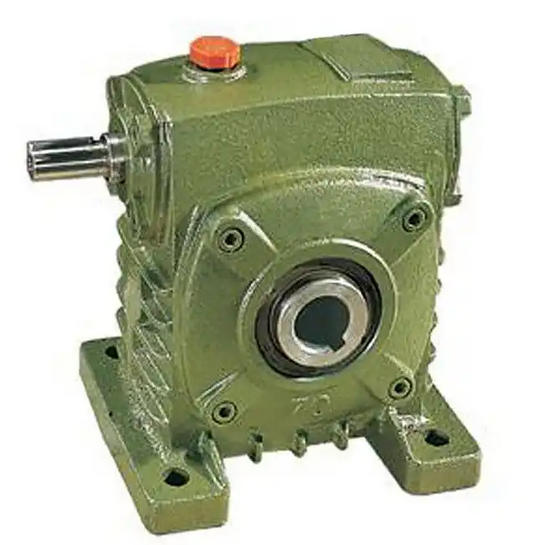
Is the reducer of the wire drawing machine noisy? Don't rush to change, these 5 common reasons can be identified at home
1. Check the lubrication system (oil quantity and quality)Lubricating oil is the "blood" of the gearbox. Firstly, check if the oil level is at the normal level. Insufficient oil can cause dry grinding of components and produce noise. Secondly, observe whether the lubricating oil has deteriorated, emulsified, or contains excessive impurities. It is particularly important to note that the drawing state of the lubricating grease can be observed: high-quality lubricating grease can pull out uniform fine threads, indicating that its internal mesh skeleton is intact and can form a stable oil film to reduce friction; If the grease is loose and without threads, it indicates that it has been damaged and failed. Metal dry grinding not only causes abnormal noise, but also causes gear damage due to temperature rise. At this time, it is necessary to replace the grease with new one as soon as possible.
2. Manual turning inspection for mechanical jamming
On the premise of ensuring safety, power off the equipment and manually rotate the gearbox input shaft. Check if the resistance during rotation is uniform and determine if there is any jamming or abnormal friction inside. At the same time, the gear meshing surface can be inspected through the observation hole to see if there is severe wear, pitting, or tooth breakage.
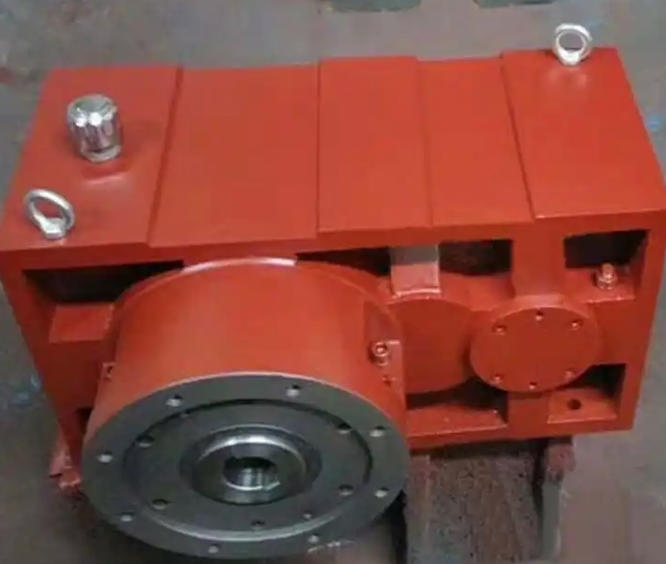
3. Distinguish the location and characteristics of abnormal noises
By analyzing the characteristics and sources of the sound, it is possible to preliminarily determine the damaged components:
Abnormal noise at the gear: If there is a "clunking" sound or sharp impact sound, it is mostly due to gear damage, tooth surface peeling, or excessive tooth clearance.
Abnormal noise at the bearing: If there is a crisp "click" sound or periodic "buzzing" sound, it usually indicates internal wear of the bearing, damage to the cage, or excessive clearance.
Assembly noise: If there is an empty "clanging" sound, it may be due to assembly problems or loose connections.
4. Check the fasteners and alignment deviation
Check if the anchor bolts, bearing cover bolts, and coupling bolts of the reducer are loose. Loose anchor bolts can damage the rigid support of the transmission system, causing overall vibration and resonance noise. In addition, it is necessary to check whether the coupling connecting the motor and the reducer is worn, and whether there is any deviation in coaxiality (alignment).
5. Confirm the load status and external interference
Check whether the wire drawing machine is in an overloaded state during operation. Excessive load can seriously damage the smooth state of gear meshing and bearing support, causing severe friction and abnormal noise. At the same time, confirm whether there are foreign objects interfering with the external of the gearbox, or whether the cooling system (such as cooling water pipes, external condensers) is blocked or leaking, which may indirectly cause abnormal equipment operation and result in poor heat dissipation.
Safety reminder: When conducting the above inspections (especially power-off manual turning and internal inspection), please strictly follow the safety operating procedures to ensure that the equipment is completely shut down and the power is cut off. If the cause of the malfunction cannot be determined after troubleshooting, it is recommended to contact professional maintenance personnel or manufacturer technical support in a timely manner to avoid blind disassembly and secondary damage.
Related News