
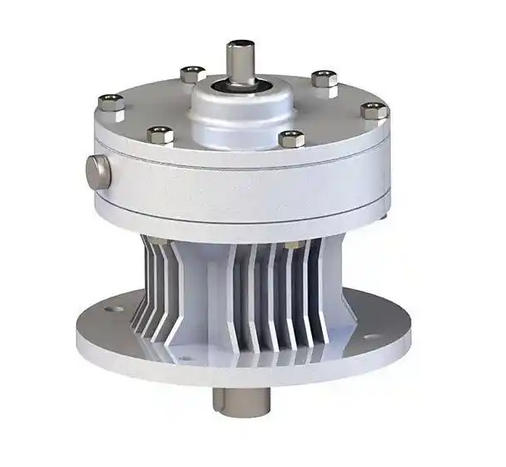
What are the reasons for the deformation, cracking, and even fracture of the torque arm body of the CJY series gear reducer
1. Improper selection and matching (source issue)Insufficient torque reserve: If only the rated output torque is selected, ignoring the motor overload capacity (such as frequent starting, loaded starting) or the actual maximum working torque, it will cause the torque arm to be in an overloaded state for a long time, ultimately leading to plastic deformation or fatigue fracture.
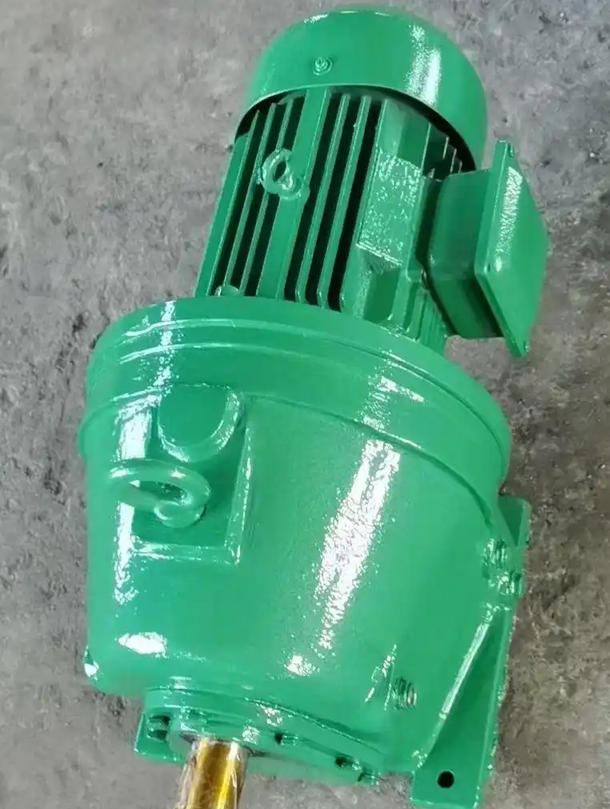
Structural size mismatch: Insufficient length or cross-sectional size design of the torque arm, which cannot effectively disperse the reaction force, resulting in excessive local stress.
Insufficient material strength: Under heavy load or impact conditions, if a material with lower yield strength (such as ordinary Q235 steel) is used for the torque arm, its torsional strength and toughness may not meet the requirements, and it should be upgraded to Q355 or higher strength alloy steel.
2. Installation and assembly errors (common causes)
Installation angle deviation: The torque arm is not perpendicular to the axial line of the gearbox, or the installation angle between the torque arm and the driving device or walking mechanism is improper. This will result in the torque arm not only bearing the designed torsional force during operation, but also experiencing additional multi-directional bending stress, which can easily cause deformation and cracking.
Improper control of tightening torque: The pre tightening force of the installation bolt is too large or too small. Being too loose can lead to looseness and impact during work; If it is too tight, additional internal stress concentration may occur during the installation phase.
Insufficient rigidity or vibration of the foundation: If the rigidity of the installation base is insufficient, or if there is long-term severe vibration in the operating environment of the equipment, the torque arm will bear dynamic additional loads beyond the design value, accelerating fatigue damage.
3. Abnormal working conditions and loads (direct pushing)
Alternating loads and impacts: Frequent start stop, emergency braking, heavy load emergency stop of equipment, or jamming at the load end (such as conveyor belt jamming, mixing material solidification) can generate instantaneous impact loads several times the rated torque, directly causing the torque arm to twist, deform, or even break instantly.
Long term overload operation: The working torque continuously exceeds the rated output torque of the gearbox, causing the torque arm to be in a high stress state for a long time, resulting in cumulative damage.
4. Manufacturing and structural defects (inherent hazards)
Stress concentration design: There are weak areas in the structural design of the torque arm, such as small rounded corners in the transition area, un chamfered edges of the connecting holes, and sudden cross-sectional changes, which result in a high stress concentration factor and make it easy for microcracks to initiate and propagate here.
Welding and processing defects: If there are welding defects (such as slag inclusion, incomplete penetration, poor weld formation) or significant cutting damage or processing knife marks on the surface of the torque arm, these will become the origin point of fatigue cracks.
Related News