

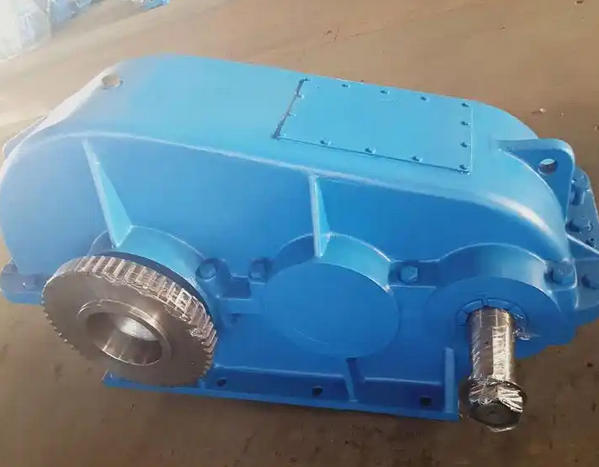
How to determine if the heat sink of ZQ500-23.34-3 soft tooth surface gear reducer is loose or damaged
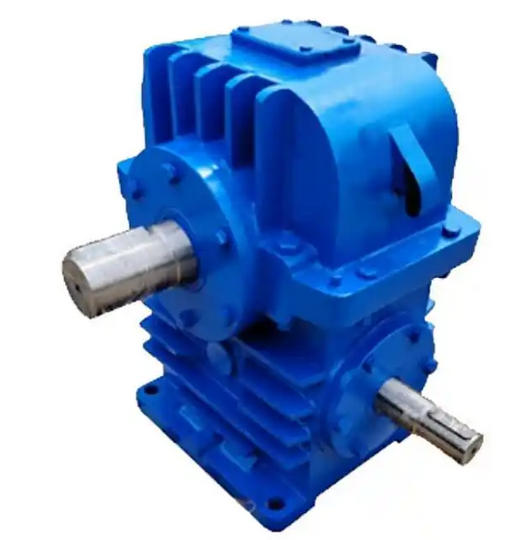
The most direct and effective method to determine whether the heat sink is loose or damaged for the ZQ500-23.34-3 soft tooth surface gear reducer is to combine manual inspection and temperature monitoring during shutdown. If the heat sink shakes significantly, there are gaps at the connection, or if the machine base temperature continues to exceed 80 ℃ and the local temperature difference is large during equipment operation, it can be determined that there is a risk of looseness or damage.1. Visual inspection after shutdown and power off: Check whether the fixing bolts of the heat sink are loose, missing, broken, or loose, whether the heat sink body is bent, deformed, cracked, broken, or missing, whether the joint surface with the box is misaligned, curled, or has obvious gaps, and whether the joint surface is leaking oil, peeling paint, or corroded.
2. Manual inspection: Gently shake the heat sink with your hand, and if there is obvious shaking, displacement, or gap noise, it is considered loose; The presence of steps, gaps, and unevenness on the touch joint surface indicates poor adhesion; Lightly tap with a copper rod, and if there is a muffled, hollow, or vibrating sound, it indicates looseness or detachment.
3. Operation status judgment: The oil temperature of the reducer and the surface temperature of the box are significantly high, and the heat sink area is locally overheated. After shutdown, the temperature of the heat sink is much lower than that of the box, indicating poor thermal conductivity; During operation, there may be additional vibrations, tapping sounds, friction noises, and oil dripping at the root of the heat sink, all of which are signs of looseness or damage.
4. Tool inspection: Use a feeler gauge to measure the gap between the joint surfaces. If it is greater than 0.1mm, it is considered loose; If the temperature difference between the infrared thermometer detection box and the heat sink is greater than 15 ℃, it indicates thermal conductivity failure; Use a torque wrench to retest the bolt torque. If it is lower than the standard value, it is considered loose.
5. Judgment criteria: Any of the following criteria can be used to determine the fault: loose or missing bolts, displacement of the heat sink due to shaking, deformation, cracking, and fracture of the heat sink, abnormal vibration caused by high operating oil temperature, excessive clearance between the joint surfaces, and large temperature difference.