
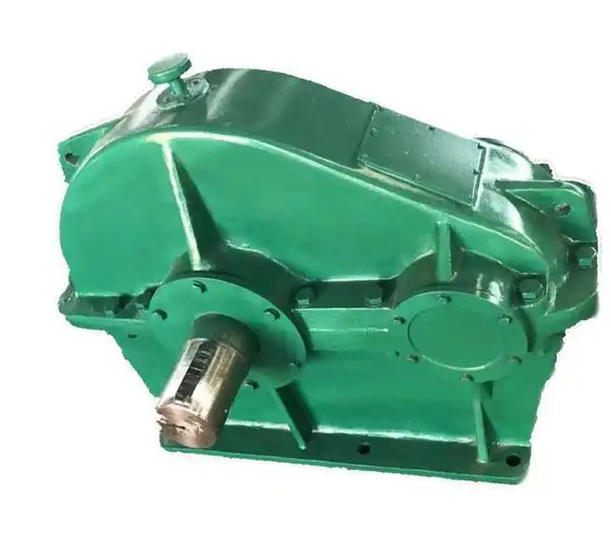
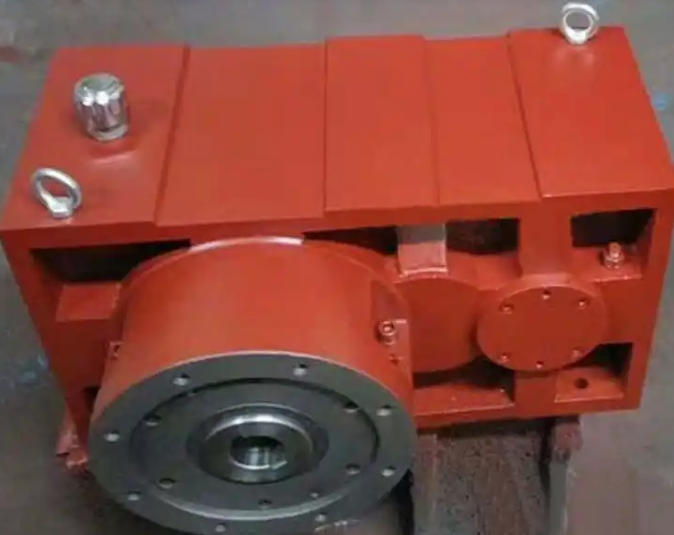
What are the noise and vibration standards for ZLYJ250-12.5-2 hard tooth gear reducer
1、Noise reference value
This index specifies the allowable noise level of the ZLYJ250-12.5-2 gear reducer under specified test conditions, mainly for no-load acceptance inspection. Noise testing shall be carried out in a relatively quiet test environment with low background noise interference, so as to avoid background sound, surrounding equipment noise and reflected sound affecting the final reading. The noise value adopts A-weighted sound level dB(A), which is consistent with the commonly used evaluation standard for industrial mechanical noise, and can objectively reflect the audible noise perceived by on-site operators. During factory inspection and incoming acceptance, the no-load noise shall not exceed 75 dB(A). Continuous and stable noise data shall be recorded after the reducer runs smoothly without load, and instantaneous peak noise caused by start-up impact shall not be taken as the judgment basis.
2、Vibration reference value
Vibration is a core indicator reflecting the meshing state of gears, bearing operating condition, assembly precision and fastening quality of the whole reducer. Vibration measurement points shall be arranged close to the main bearing seat of the reducer shell, which is the key transmission force transmission position and can truly capture the vibration signal from internal rotating parts. Measurement shall cover three mutually perpendicular directions: horizontal, vertical and axial, and the maximum value among the three directions shall be adopted for evaluation. The effective operating vibration speed shall not exceed 4.5 mm/s for normal service requirement; for newly delivered equipment with higher assembly quality requirements, the preferred target value is ≤2.8 mm/s, which represents better running stability and longer service life of bearings and gears. If test conditions, measuring instruments and site layout meet the requirements, acceptance testing and data evaluation can also be implemented in full accordance with GB/T 41850.9-2024. The applicable scope of this standard shall be verified jointly by the buyer and the manufacturer before testing.
3、On site judgment suggestions
For ZLYJ250-12.5-2 reducer, regular on-site patrol inspection, trend monitoring and fault early warning shall not only rely on static standard limit values. Even if the measured noise and vibration data do not obviously exceed the specified limits, a thorough inspection and root cause investigation must be initiated once any of the following abnormal phenomena occurs:
- Sudden increase of overall operating noise, or obvious periodic abnormal knocking, friction and howling noise synchronized with the rotating cycle;
- The measured vibration value rises sharply compared with the stable historical baseline data accumulated in daily monitoring;
- The surface temperature of the reducer shell exceeds 80~85 ℃ under normal working load and normal lubrication condition;
- Abnormal fluctuation of lubricating oil level, oil emulsification with water intrusion, continuous oil seepage or obvious oil leakage at shaft seals, joint surfaces and oil plugs.
When compiling technical documents for model selection technical requirements, equipment acceptance specifications and daily maintenance regulations, it is recommended to adopt the following standardized clause for noise and vibration requirements: "No load noise ≤ 75 dB (A), effective operating vibration speed ≤ 4.5 mm/s, new equipment preferred ≤ 2.8 mm/s; The measurement method shall be carried out in accordance with GB/T 41850.9-2024, and the manufacturer shall confirm whether it is applicable to the model." This unified description can avoid disputes in acceptance, clarify test basis, and facilitate long-term vibration trend tracking and fault comparison in later operation and maintenance.
Related News