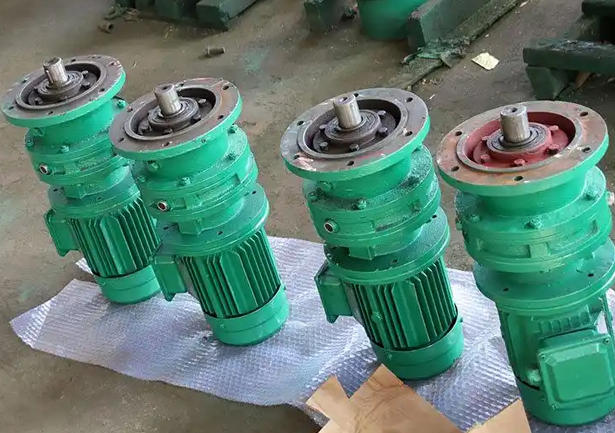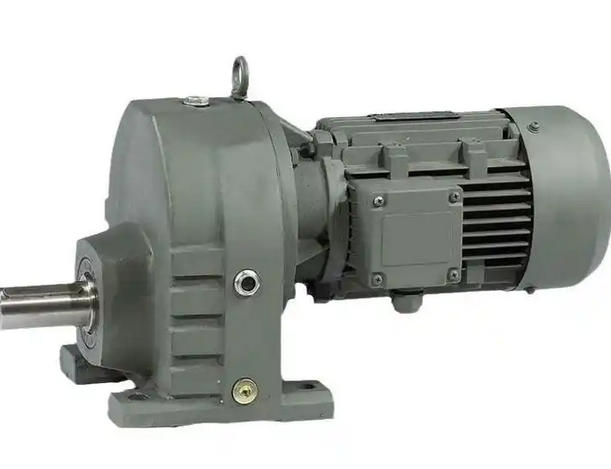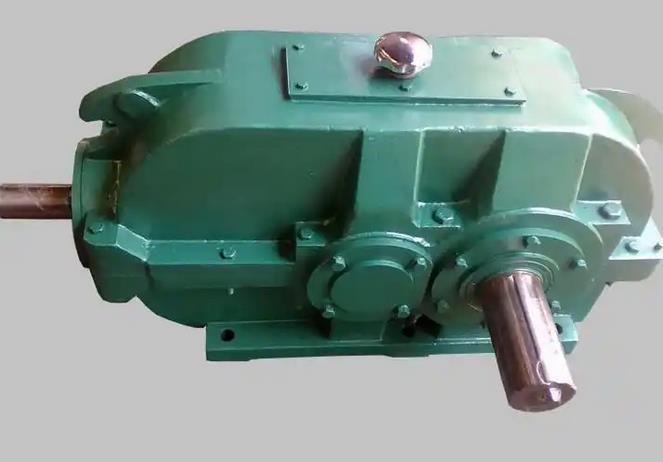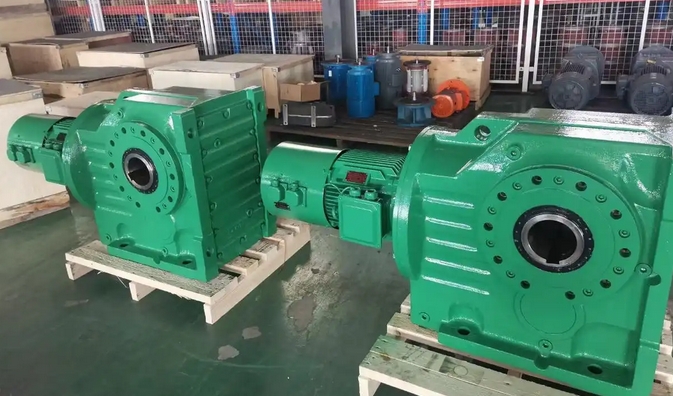


Installation and adaptation requirements for WPEDA155-250-400-1 4KW worm gear reducer
1、 Installation foundation and site requirementsInstallation foundation rigidity requirements
This model of reducer is suitable for 4KW motors, and there is a certain vibration load during operation. It needs to be installed on a rigid concrete foundation or steel structure platform. The strength grade of the concrete foundation shall not be lower than C30, and the thickness shall not be less than 200mm. The foundation size shall cover the installation range of the reducer anchor bolts, and the edge shall exceed the reducer base by more than 100mm; The steel structure platform needs to be welded with steel sections, and the welds must be fully welded and subjected to non-destructive testing. The surface flatness error of the platform should not exceed 0.5mm/m.
Environmental temperature: The working environment temperature range is * * -20 ℃ -40 ℃ * *. When the environmental temperature is below -10 ℃, low-temperature type worm gear special lubricating oil should be selected; When the ambient temperature exceeds 40 ℃, it is necessary to install a cooling fan or cooling device to prevent lubrication failure caused by high oil temperature.
Environmental cleanliness: The installation site should be dry and ventilated to avoid dust, corrosive gases, flammable and explosive media, and strong electromagnetic interference; If installed in a dusty or humid environment, a protective cover should be added to the gearbox, and the protection level should be raised to IP55 or above.
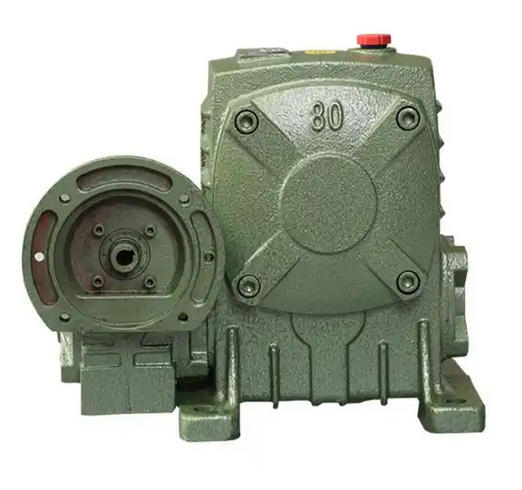
Space requirement: A minimum of 200mm of operation and maintenance space should be reserved around the reducer for easy replacement of lubricating oil, inspection of seals, and troubleshooting.
2、 Installation process and coaxiality control
First, place the reducer base on the foundation and use a spirit level to check the levelness of the base. The longitudinal and transverse levelness errors should be controlled within 0.1mm/m; If the levelness does not meet the standard, adjustment shims should be installed under the base. The shims should be made of stainless steel with a thickness of 0.2mm-2mm, and the number of shims per group should not exceed 3.
The anchor bolts should be high-strength bolts with a strength grade of not less than 8.8, and the diameter and length of the bolts should match the size of the installation holes on the reducer base; When tightening bolts, the cross symmetrical tightening method should be used, and the torque should be tightened according to the manufacturer's specifications (usually 25-35N · m, subject to the product manual). After tightening, the levelness should be checked again to confirm that there is no deviation, and then the bolts should be treated with anti loosening measures.
Connection and installation of motor and reducer
The input end of this model of reducer is a flange direct connection structure, which needs to be matched with the standard flange size of a 4KW motor (usually IM B5 installation method). The connecting bolts between the motor flange and the reducer flange should use bolts with a strength grade of 8.8 or above, and the tightening torque should meet the requirements of the motor manufacturer.
During installation, it is necessary to ensure that the coaxiality error between the motor output shaft and the gearbox input shaft does not exceed 0.1mm. The coaxiality can be detected by a dial gauge. If the coaxiality exceeds the standard, the motor position needs to be adjusted or an elastic coupling needs to be installed to avoid increased bearing wear or poor meshing of the transmission pair due to unbalanced load.
After connecting the motor to the reducer, it is necessary to manually rotate the motor fan blades to check whether the transmission system operates flexibly, without any jamming, abnormal noise, or other phenomena; If there is any jamming, immediately stop the machine to check for coaxiality or internal assembly issues.
Related News