
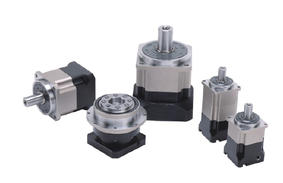
Worm gear reducer has fast wear of the worm gear, and the speed ratio matching is the core key
In worm gear reducers, unreasonable speed ratio selection is indeed one of the core reasons for accelerating worm gear wear. When the selection or speed ratio of the reducer is improper (such as choosing a too high speed ratio and the equipment is running at high speed), it will directly exacerbate the friction and loss between the worm gear and worm.1、 Unbalanced speed ratio matching can directly cause three major wear hazards:
1. Speed ratio too small: high speed, frictional heat accumulation and explosion
Many people blindly choose small speed ratio reducers in order to pursue equipment operating efficiency. A small speed ratio means that there are more worm heads and faster input speeds, resulting in a significant increase in the sliding friction speed of the worm gear.
The sliding friction transmission efficiency itself is low, and a large amount of heat is generated instantly during high-speed operation. The cooling speed of the reducer cannot keep up with the heating speed, and the oil temperature continues to soar. High temperatures can directly dilute lubricating oil, disrupt the stability of the oil film, and cause direct dry friction between the worm and worm gear teeth.
The transmission that was originally lubricated and buffered becomes hard polished, and the copper alloy tooth surface of the worm gear will quickly develop scratches, peeling, and wear. In just a few months, the problem of excessive transmission clearance will occur.
2. Excessive speed ratio: torque overload, tooth surface pressure exceeding the limit
On the contrary, blindly choosing a high speed ratio can also lead to problems. Many people mistakenly believe that the larger the speed ratio and torque, the more durable the equipment, but this is not the case.
A reducer with a super speed ratio (single-stage speed ratio>50) has very few worm heads and a lead angle usually below 10 °. This structure has strong self-locking properties, but the transmission efficiency drops sharply to 30% -50%, and most of the power is converted into friction during the transmission process.
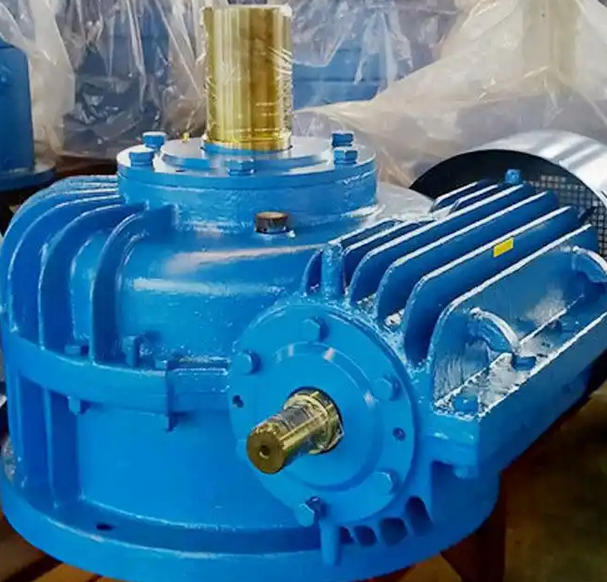
If the working condition does not require self-locking and a high speed ratio model is forcibly used, the worm gear tooth surface will bear excessive contact stress for a long time, far exceeding the allowable stress range of 120-150MPa for tin bronze. The speed of tooth surface compression wear and pitting corrosion will be directly increased by 3-5 times, and it will also be accompanied by problems such as overheating and serious abnormal noise of the machine body.
3. Mismatch between speed ratio and operating conditions: long-term operation with damage
This is the most easily overlooked point! Frequent start stop, forward and reverse rotation, intermittent load, and constant heavy load correspond to completely different adaptive speed ratios.
For example, for conveyor equipment with frequent start stop cycles, using a conventional constant speed ratio can lead to excessive impact load on the worm gear teeth surface during each start stop moment, resulting in fatigue wear; Constant overload equipment with a smaller speed ratio and long-term high load and high-speed operation will continue to wear out, which is also the core reason why many devices are "well maintained but break down quickly".