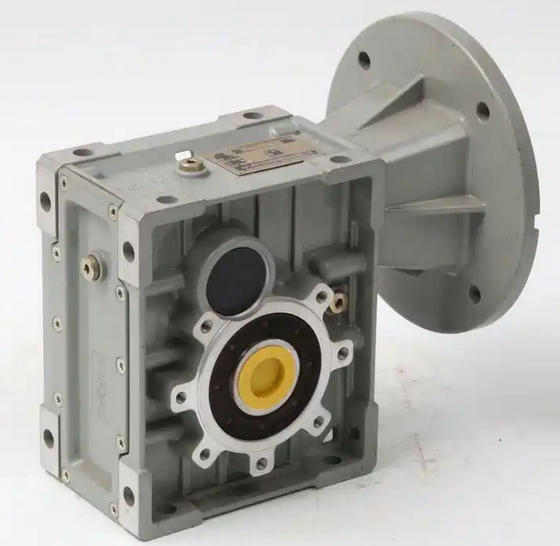

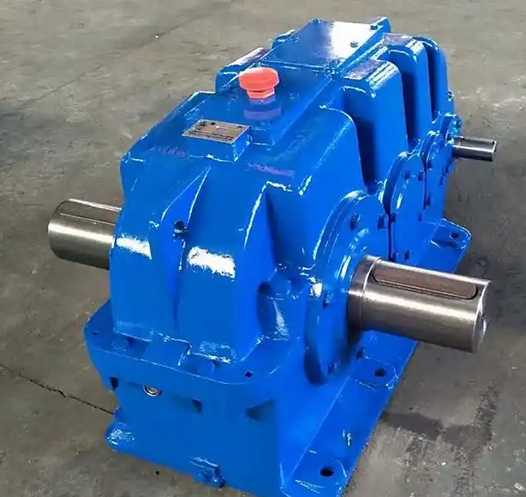
What are the repair methods for the worn and slippery output keyway of the gearbox that do not require replacing the casing
There are various mature repair methods for the problem of wear and slippage of the gearbox output keyway without replacing the casing. According to the degree of wear, it can usually be divided into the following schemes:1. Emergency and minor wear and tear treatment (temporary reinforcement)
If the key is only slightly deformed but not broken, or if the gap just exceeds the standard, it can be disassembled and reset by tapping with a copper rod, and temporary fixing screws can be added to assist in fixation. For cases of vibration loosening, it is also possible to urgently wrap copper foil or stainless steel sheet before stopping the machine to increase the interference between the key and keyway. Further treatment can be carried out after the equipment is completely stopped. In addition, if the clearance is too large (such as exceeding 0.2 millimeters), thread glue (such as anaerobic glue) can be applied to the key surface during reassembly to enhance the fixing effect.
2. Traditional machining repair (slot expansion with large keys)
When the keyway shows obvious wear or deformation, traditional mechanical processing methods can be used to repair the worn keyway. The specific method is to widen and deepen the original keyway, and then use a new key with a larger size specification (such as replacing the original 8 × 7 key with a 10 × 8 key). This method can effectively solve the problems of insufficient transmission torque and impact noise.
3. Re mill the groove after welding repair
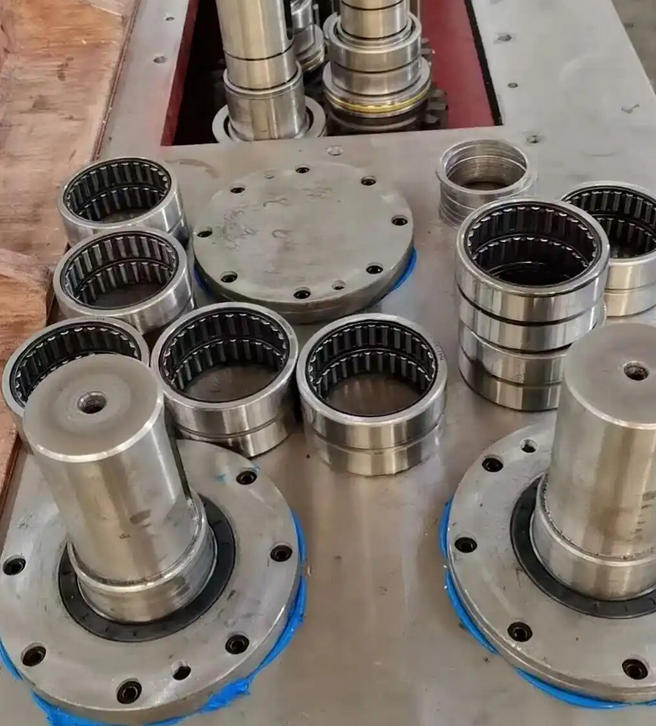
For keyways with severe wear, the repair welding process can be used to fill the original keyways first, and then use a machine tool to re mill standard sized keyways. It should be noted that the high-temperature thermal stress generated by welding repair cannot be completely eliminated, which may cause changes in the material of the shaft head and even lead to bending or cracking. Therefore, strict temperature control is required during operation.
4. Polymer composite material repair (modern machine free processing technology)
This is currently a highly recommended efficient repair solution in industrial sites. By utilizing polymer composite materials such as carbon nano polymers with super strong adhesion and excellent compressive strength, it is possible to directly carry out on-site repair without disassembly or machining. This type of material has a "yielding property" that metals do not have, which can absorb the impact and vibration during equipment operation, and the fluidity before solidification can ensure 100% contact of the repaired surface, thereby avoiding the occurrence of "hard to hard" micro motion wear again. The basic process flow includes surface treatment (baking oil to remove dirt, polishing to expose metallic luster), proportioning and applying composite materials, positioning assembly components and waiting for curing, and finally directly restoring the original size for operation.
In summary, you can choose the most suitable repair process based on the actual working conditions, downtime requirements, and spare parts situation of the gearbox. If it is a heavy load and requires rapid recovery of production, polymer material repair methods can often significantly shorten the maintenance cycle and extend the equipment life; If pursuing long-term mechanical rigidity matching, expanding slots and changing keys or repairing welding and re milling are also reliable traditional methods.
Related News