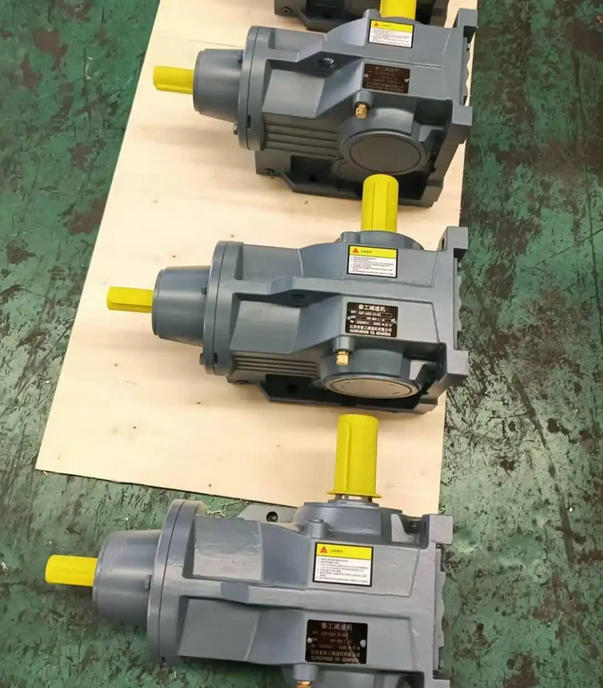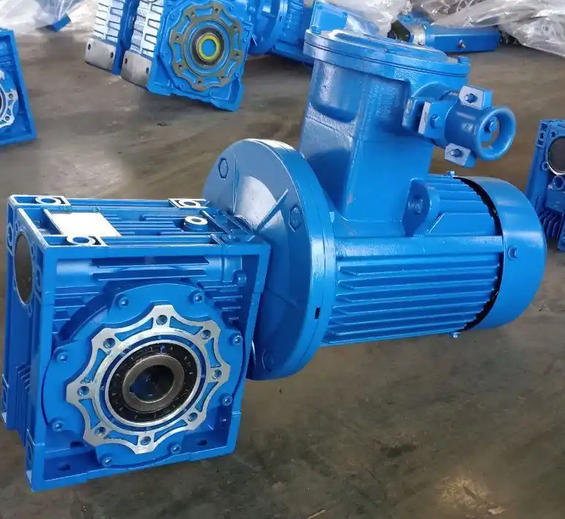


Provide a detailed introduction to the gear shaving process in the CWU125-50-IIF reducer worm gear machining process
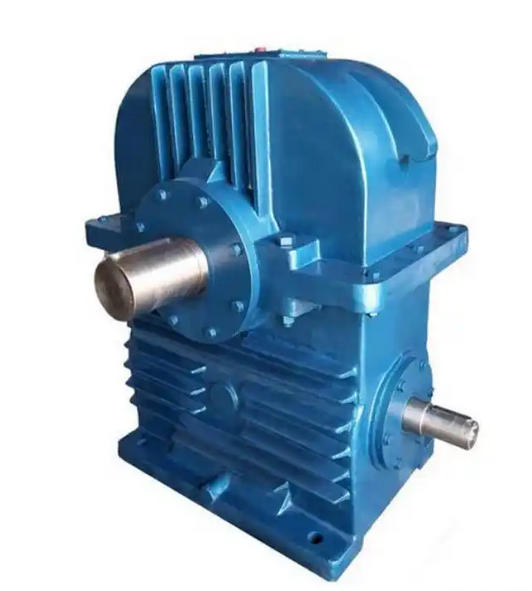
The CWU125-50-IIF reducer is a circular arc cylindrical worm gear reducer, and its worm gear tooth profile accuracy directly affects transmission efficiency, noise, and service life. Shaving is a key process in worm gear precision machining, which is used to correct the tooth profile error after worm gear hobbing, reduce surface roughness, and improve meshing quality. The following is the detailed process content of gear shaving machining for this model of worm gear:1. Preparation before processing
Workpiece conditions: The worm gear to be processed is a CWU125-50-IIF matching worm gear, generally made of tin bronze (such as ZCuSn10Pb1), and requires completion of the previous processes such as rough forging, annealing, rough turning, and gear hobbing; After rolling, the roughness of the tooth surface should be ≤ Ra6.3 μ m, and the cumulative error of tooth pitch and tooth profile should be controlled within the range of shaving allowance. The single-sided shaving allowance is usually 0.03~0.08mm.
Fixture: Special spindle and end face pressure plate are used for clamping, with a fitting accuracy of H7/h6 between the spindle and the inner hole of the worm gear, ensuring that the coaxiality of the clamping is ≤ 0.015mm; the clamping force of the pressure plate should be uniform to prevent deformation of the worm gear during clamping.
Tool selection: Choose a circular arc gear shaving cutter that matches the CWU125-50-IIF worm gear parameters. The shaving cutter module, pressure angle, and helix angle should be consistent with the worm gear. The cutting edge of the tool should be sharp, and the surface roughness should be ≤ Ra0.4 μ m; After tool installation, it is necessary to check for radial runout ≤ 0.01mm and axial displacement ≤ 0.008mm.
Equipment debugging: Use a specialized gear shaving machine for worm and worm gears, preheat for 10-15 minutes after starting up; Adjust the coaxiality between the machine tool spindle and the worktable to ensure that the deviation of the meshing center distance between the worm gear (shaving cutter) and the worm wheel is ≤± 0.01mm; set parameters such as machine speed and feed rate.
2. Process parameter setting
Cutting speed: Considering the cutting performance of tin bronze material, the circumferential speed of the shaving cutter is set at 15-25m/min; The rotational speed of the worm gear is adjusted synchronously with the meshing transmission ratio to avoid tooth surface strain.
Feed rate: Adopting radial feed method, the feed rate for rough shaving is 0.01~0.02mm/stroke, and the feed rate for fine shaving is 0.003~0.005mm/stroke; The total feed rate is determined based on the shaving allowance and is completed in 3-5 feed cycles.
Cutting fluid: Select extreme pressure cutting oil, which requires good lubrication and chip removal properties; The cutting fluid pressure is 0.2~0.4MPa, and the flow rate is ≥ 20L/min, ensuring that the cutting fluid fully covers the meshing tooth surface, carries away cutting heat and iron chips, and prevents the occurrence of tool sticking on the tooth surface.
3. Shaving process operation flow
Workpiece clamping: Clean the inner hole of the worm gear, insert it into a dedicated spindle, and press the end face tightly against the positioning reference surface. Use a pressure plate to evenly compress it; After clamping, use a dial gauge to check the radial runout and end face runout of the worm gear outer circle. The runout value should be ≤ 0.02mm. If it is not qualified, re clamp it.
Tool installation and alignment: Install the shaving cutter on the spindle of the machine tool to correct radial runout and axial displacement; Manually adjust the position of the worktable to preliminarily mesh the shaving cutter with the worm gear, and determine the radial initial position through trial cutting to ensure even contact between the cutter and the tooth surface.
Related News