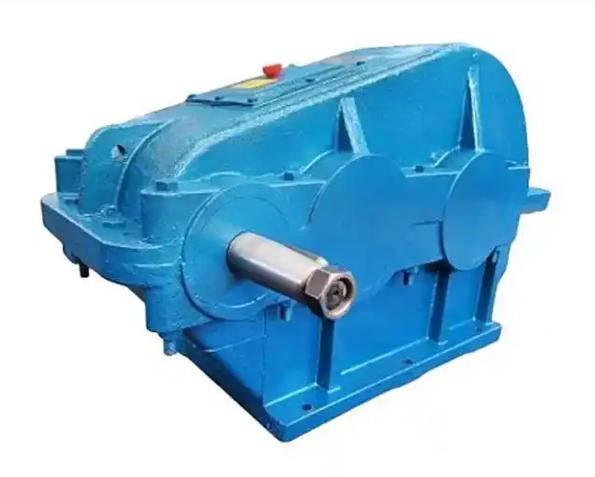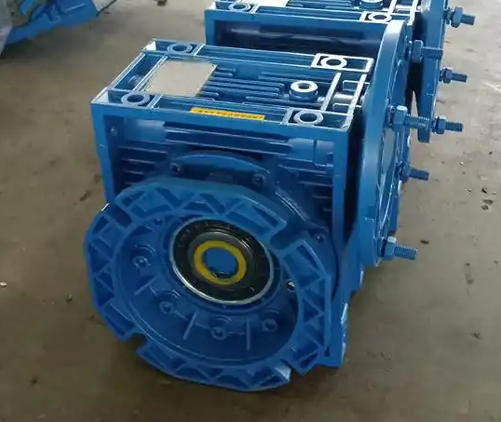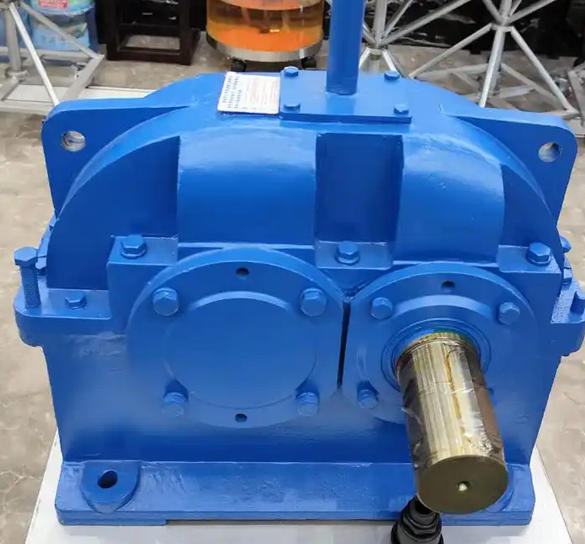


Installation Specification and Maintenance Guide for LLSH Series Three Ring Reducer
The service life and operational stability of equipment depend on product quality in three parts and installation and maintenance in seven parts. The LLSH series three ring reducer has a precise structure and high precision in the matching of transmission components. If the installation and operation are not standardized and the daily maintenance is not in place, it is prone to oil leakage, abnormal noise, gear wear, transmission failure and other faults.1、 Standardized installation steps and precautions
Pre installation inspection: After unpacking, check whether the equipment model, specifications, and parameters are consistent with the order, and inspect the box, shaft end, flange, and other parts for any transportation bumps, deformations, or cracks; Check whether the oil seal and gasket are intact, and prevent damaged parts from being put into use. At the same time, clean the installation base to ensure that the base surface is flat, free of debris and bumps. The strength of the base should match the operating load of the gearbox to avoid deformation during operation.
Installation method specification: LLSH series supports various forms such as foot installation and flange installation. During installation, it is necessary to ensure that the input shaft, output shaft, and the axis of the supporting motor and working machine are strictly coaxial. Excessive coaxiality deviation can lead to uneven bearing force on the shaft, wear on the coupling, and increased equipment vibration. The anchor bolts should be tightened evenly and diagonally in multiple times to prevent the box from being twisted under stress; When installing the flange, the flange surface should be tightly fitted, and the bolt specifications should be uniform to avoid unilateral stress.
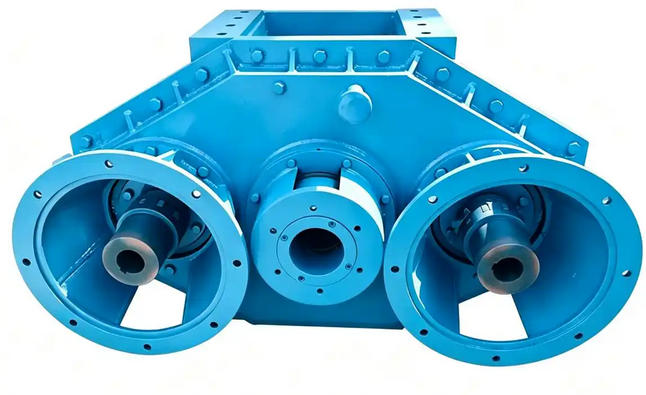
Installation of auxiliary accessories: Elastic couplings are preferred for couplings, which can buffer impact loads during operation and protect the gearbox shaft and bearings; It is strictly prohibited to use rigid couplings to forcibly correct coaxiality. If the operating environment of the equipment has high dust and water vapor, a dust cover should be installed at the shaft extension to prevent impurities from entering the interior of the box. After installation, manually rotate the input shaft of the gearbox to check for smooth operation and any signs of jamming or abnormal noise.
2、 Classification daily maintenance rules
(1) Daily inspection (mandatory for each shift)
The core of inspection revolves around the three key points of "listening, watching, and checking". Upon hearing the sound of operation, normal operation should be a smooth meshing sound. If there is a sharp abnormal sound or impact sound, it is likely due to gear wear, foreign objects entering, or bearing damage, and immediate shutdown inspection is required; Take a second look at the appearance of the casing, check for any oil leakage or seepage, and observe whether the oil temperature and casing temperature are abnormal. The normal operating oil temperature should not exceed 80 ℃; Check the connection parts three times, inspect the anchor bolts, flange bolts, and coupling screws for looseness, and tighten them promptly if any looseness is found.
Related News