
What are the impacts of unqualified appearance and assembly inspection of the reducer
If the appearance and assembly inspection of the reducer are not qualified, it will not only affect the external state of the equipment, but also directly lead to a decrease in the performance and lifespan of the internal transmission system, and even cause serious safety accidents. The specific impact can be seen from the following aspects:1. The impact of unqualified appearance inspection
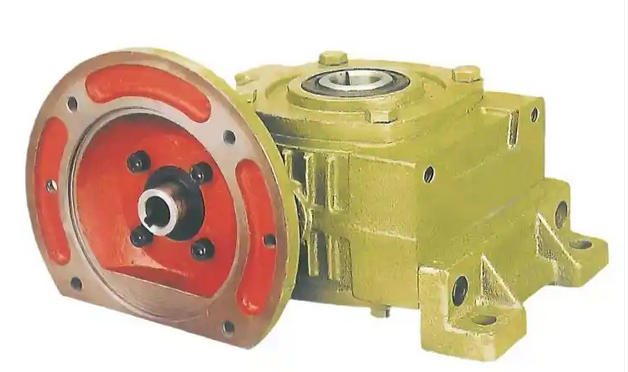
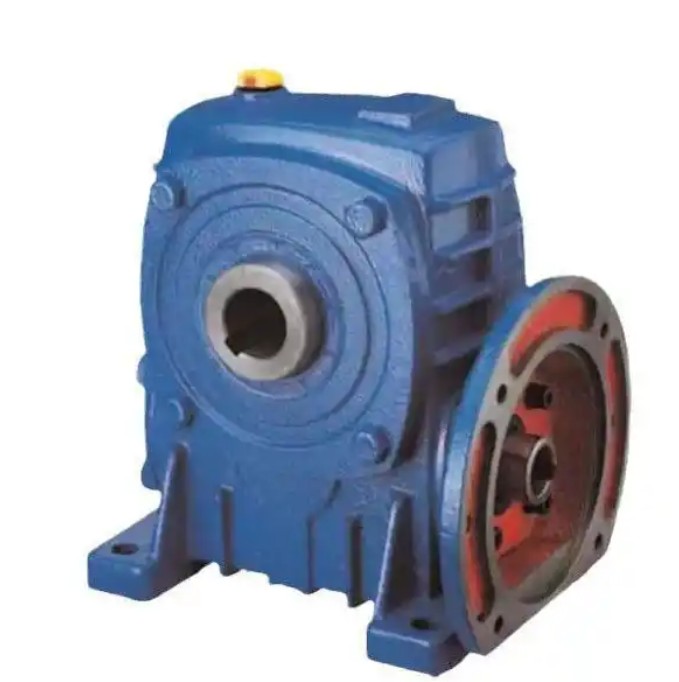
The appearance inspection mainly covers the shell, sealing, labeling, and installation status. Non conformance can bring the following hidden dangers:
Oil leakage and lubrication failure: Cracks, sand holes, or improper installation or aging damage of seals (such as oil seals and O-rings) on the casing can cause lubricant leakage. Oil leakage not only pollutes the environment, but also leads to insufficient internal lubrication, exacerbating the wear of gears and bearings, and even causing high-temperature sintering.
Foreign object intrusion and contamination: Poor sealing or clogged respirators can allow external dust, moisture, and impurities to enter the interior of the gearbox, contaminate the lubricating oil, and accelerate the abrasive wear of parts.
Structural strength damage: The shell has obvious casting defects (such as pores, shrinkage cavities, cracks) or is damaged by external forces, which can reduce the overall structural strength and rigidity of the gearbox, and is prone to fracture when subjected to heavy loads or impacts.
Installation hazards: Loose anchor bolts, uneven installation surfaces, or scratches or bumps on connection parts can cause additional vibration and stress in the gearbox during operation, damaging the axis alignment and accelerating component damage.
Difficulty in maintenance and traceability: Unclear or missing nameplate markings (such as model, speed ratio, production date, etc.) can cause great inconvenience for later equipment maintenance, spare parts replacement, and quality traceability.
2. The impact of unqualified assembly inspection
The assembly accuracy directly determines the core performance of the reducer, and unqualified assembly (such as improper gear clearance, axis misalignment, part eccentricity, etc.) can trigger a series of chain reactions:
Decreased transmission efficiency and increased energy consumption: Excessive or insufficient gear mesh clearance, as well as uneven force distribution in planetary gear systems, can cause interruption of energy transmission or a significant increase in frictional resistance, resulting in power loss, a significant decrease in transmission efficiency, and an increase in equipment operating energy consumption.
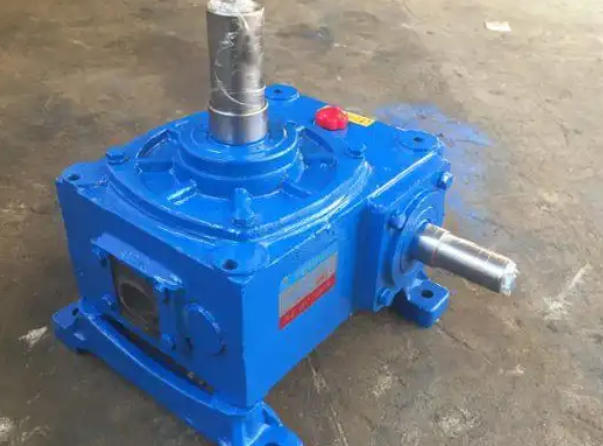
Abnormal vibration and increased noise: Assembly eccentricity, coaxiality error, or poor gear meshing can cause periodic impacts on the gearbox during operation. This not only produces abnormal noises such as piercing howls and impact sounds, but also triggers severe vibrations, affecting the working environment and causing peripheral equipment to loosen.
Loss of positioning accuracy (increased backlash): For precision reducers, assembly errors can directly lead to excessive backlash (backlash). When reversing or accurately positioning equipment, there may be "dead zones" and accumulated errors, which seriously affect the machining accuracy and repetitive positioning performance of CNC machine tools, robots and other equipment.
Abnormal temperature rise and overheating: Over tight assembly, improper bearing preload, or insufficient clearance can lead to a significant increase in internal friction heat generation. Excessive oil temperature will accelerate the aging and deterioration of lubricating oil, lose its lubrication protection ability, and form a vicious cycle of "high temperature wear higher temperature".
Related News